
 EN
EN
 AR
AR
 BG
BG
 HR
HR
 CS
CS
 DA
DA
 NL
NL
 FI
FI
 FR
FR
 DE
DE
 EL
EL
 HI
HI
 IT
IT
 JA
JA
 KO
KO
 NO
NO
 PL
PL
 PT
PT
 RO
RO
 RU
RU
 ES
ES
 SV
SV
 TL
TL
 IW
IW
 ID
ID
 UK
UK
 VI
VI
 HU
HU
 TH
TH
 TR
TR
 FA
FA
 AF
AF
 MS
MS
 GA
GA
 AZ
AZ
 KA
KA
 BS
BS
 KK
KK
 KY
KY
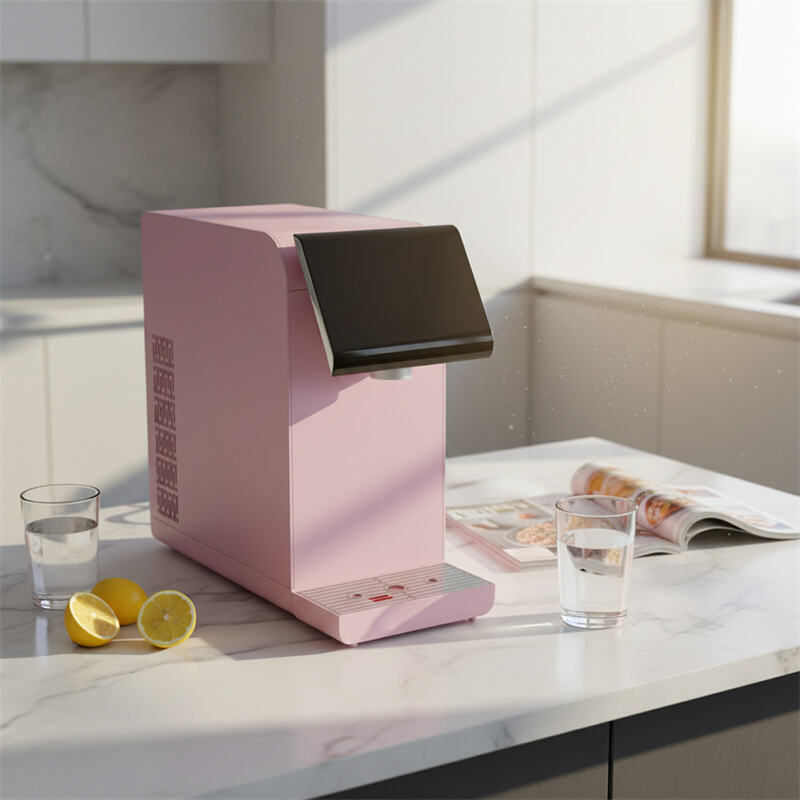
Now, ultraviolet (UV) disinfection of water can be considered as a valid alternative to the use of chemicals in destroying the harmful microorganisms that may be present in drinking water. The UV light is effective and environmental friendly as it destroys the genetic structure of bacteria and viruses, hence preventing their multiplication and consequently causing illnesses in an organism.
However, when the performance of the disinfection is to be regular, it is essential to do not only install a UV reactor. The systems affecting the UV dose in the long-term are foulings, lamp aging, and operational disruptions, which may be possible without proper monitoring and maintenance of the systems.
The design requirements listed below lead to the fact that UV disinfection can be counted upon at night.
Automatic Quartz Sleeve Cleaning Maintains UV Transmittance Without Manual Intervention
Quartz sleeve enclosing a UV lamp is extremely crucial in the effectiveness of disinfection. It would protect the lamp against exposure to water, and yet allow UV light to pass through the lamp. As time passes, minerals, biofilm and fine particles may be deposited on the sleeve surface in water, gradually reducing UV transmittance and reducing the effectiveness of disinfection.
This problem is dealt with by mechanical tangles of cleaning sleeves of quartz. Instead of forcing the technicians to disassemble the unit on a routine basis and cleaning the sleeve surface by hand, the mechanical/hydraulic cleaning systems periodically clean surface of the sleeve as a part of the normal operation.
By having a clear optical path between the UV lamp and flowing water, these automated systems can be used to ensure that the desired UV dose of microorganisms is attained. The advantage of this is that it balances the performance of disinfection, reduces the maintenance workload, and reduces disruption to the operational performance.
When the water is required at a constant rate, such as in a commercial drinking water system or an equipment purifying water at the point of use, this automatic maintenance feature is beneficial to keep the quality of the water constant, without the need to turn the equipment off after every few minutes.
Real-Time UV Intensity Monitoring Triggers Alerts Before Disinfection Efficacy Drops
UV lamps do not require outside assistance so that they can lose their strength. They may appear normal in their functioning yet their production may gradually decline to such a level of rendering the UV dose administered useless, in ensuring efficacy in microbial inactivation.
The UV intensity is not very generous with time to detect the occurrence of changes, thus a real time UV monitor would be an important protection factor in this issue. The UV sensors attached to the reactor check the actual intensity of water radiation and compare it with the required level of disinfection.
In the event that the intensity measured begins to fall (e.g. caused by lamp age or fouling or other working conditions) the system can provide warnings or indicators of maintenance before water safety can be jeopardized.
This preventative maintenance technique transforms maintenance to a proactive process as opposed to a reactionary process. The operators can schedule the lamp replacement or servicing at the appropriate time as opposed to using the intervals or when the system fails.
Real-time monitoring is valued by the manufacturers and operators who are a bit more concerned with the provision of consistent water treatment performance as a solution to allow UV disinfection to be regarded as reliable throughout the equipment lifecycle.
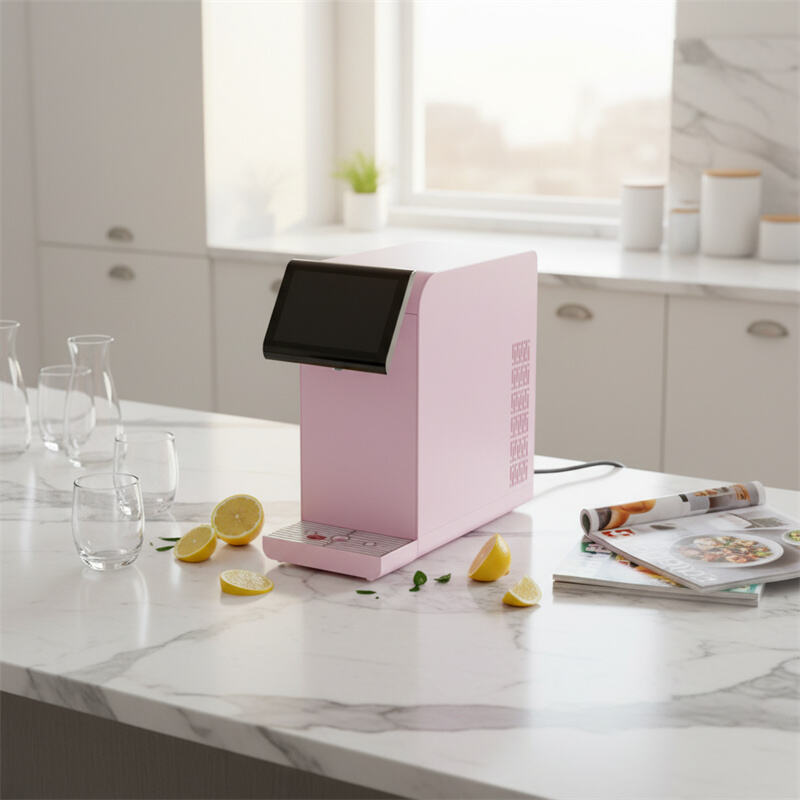
Redundant Lamp Banks Allow Maintenance During Operation With Zero Flow Interruption
Most cases do not allow placing a water treatment equipment on cold in the case of maintenance. The commercial kitchens, offices or drinking water stations that are open to a large population should at all times have access to safe water.
One of the possible solutions is the redundant lamp bank design. The UV reactor itself is designed to install a series of independent lamp banks as opposed to an individual lamp array in such a way that when one of the sections is temporarily closed, the necessary UV dose is still obtainable.
When maintenance or a replacement of the lamp is at hand, only one of the banks has to be serviced and the rest of the lamps may be used. Uninterrupted disinfection is also available with this design without an impediment to water flow.
Redundancy is a significant method of increasing resilience of operations in high reliability water purification systems. It ensures that the maintenance schedules are not translated into service outages- so that the UV disinfection can be effective 24 hours round the clock.
The UV technology continues to redefine beyond sterilization systems to intelligent self-maintenance systems since the market is continuously growing in its demand of good and safe drinking water solutions. Modern disinfection systems are automated to clean the sleeve, monitor intensity in real time and have backup lamp settings in place so that the disinfection system can be used day and night, even when the maintenance is not in progress.