
 EN
EN
 AR
AR
 BG
BG
 HR
HR
 CS
CS
 DA
DA
 NL
NL
 FI
FI
 FR
FR
 DE
DE
 EL
EL
 HI
HI
 IT
IT
 JA
JA
 KO
KO
 NO
NO
 PL
PL
 PT
PT
 RO
RO
 RU
RU
 ES
ES
 SV
SV
 TL
TL
 IW
IW
 ID
ID
 UK
UK
 VI
VI
 HU
HU
 TH
TH
 TR
TR
 FA
FA
 AF
AF
 MS
MS
 GA
GA
 AZ
AZ
 KA
KA
 BS
BS
 KK
KK
 KY
KY
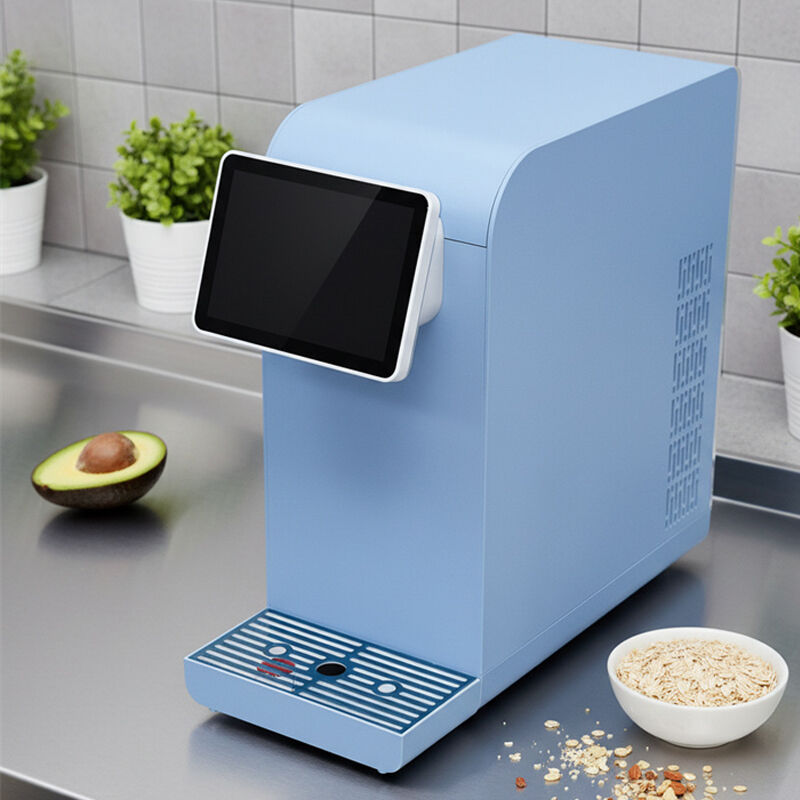
Most water treatment and purification systems are largely dependent on the reliability of the downstream equipment which is highly determined by the usefulness of pre-filtration stage. Pre-filters may be incorporated to treat drinking water or may be incorporated into commercial filtration systems or integrated systems as the first line of attack against sediment, particles, and other contaminants which may result in system disruption.
The well designed pre-filtration does not just shield equipment to the manufactures and system integrators, it also reduces the maintenance upheaval, not mentioning the fact that it also reduces the operation cost. We focus on the development of efficient filtration solutions that would help to maintain the quality and safety of water downstream and purification technologies. The brand has a history of more than 10 years of operation in terms of designing water treatment and distribution on the international scale, which is aimed at offering the reliable and efficient water filtration systems in different conditions of use.
Three design principles that explain why effective pre-filtration is critical in making sure that the water treatment processes will be stable are enumerated below.
Multi-stage filtration trains have the ability to increase membrane life by 40%
The modern water treatment equipment tends to incorporate advanced membrane-based water treatment such as the reverse osmosis or ultrafiltration. These membranes which are highly effective in removing dissolved solids as well as microscopic contaminants are likely to get clogged and foul in the event of larger particles.
This issue can be overcome by utilizing multi-stage pre-filtration trains that filter out contaminant in stages in a series of layers. A typical system may have sediment filters, activated carbon components and fine-grade cartridge filters. The stages are separated into individual sizes of the particles or the contaminants to allow the system to decrease the turbidity and suspended solids to an increased extent until the water is sent to the membrane.
At this point, multi-stage systems have the ability to significantly increase the life cycle and reduce the rate at which the sensitive filtration membranes are replaced by making the load that they carry smaller. Pre-filtration can also be installed to enhance the service life of downstream membranes by up to 40 percent, which is dependent on the quality of the feed water.
This fabricated process, besides the increase in the life of components, helps in the preservation of the similar flow rates and filtration effectiveness. In industrial or commercial application where water systems are operated at a very high-frequency the prevention of premature fouling of the membrane is directly translated into an increase of the operational stability and lower costs to the operational lifecycle.
Filter loading can be checked by using transparent housings without closing
The visibility of the maintenance is also another consideration that is crucial in the dependability of the filtration systems. The filter housings of the traditional ones typically need to be partially disassembled to confirm the conditions of the filters which can lead to unnecessary downtime or slow maintenance decisions.
Transparent filter housings provide simple yet efficient solution. Such housings are convenient to operate since they allow an operator to see the sediment deposition and filter discoloration with own eyes and thus know when it is time to change the filter or clean it. Such visual feedback reduces the amount of guesswork involved and enables condition-based maintenance in place of fixed replacement times.
In the office, hospitality and commercial type water dispensing systems Easy-inspection-designed systems can simplify the maintenance procedure of the same in these offices. An example of that is the filtration systems that are installed with drinking water gadgets or water dispensers are also prone to more convenient designs of the filters in order to allow quicker upkeep and reduced disturbance (such as the kind of filters offered by Aquatal).
Lastly, the fact that one can verify the loading of filters without having to close the system can help the operators to ensure that the water quality does not change and unnecessary shutdowns are avoided.
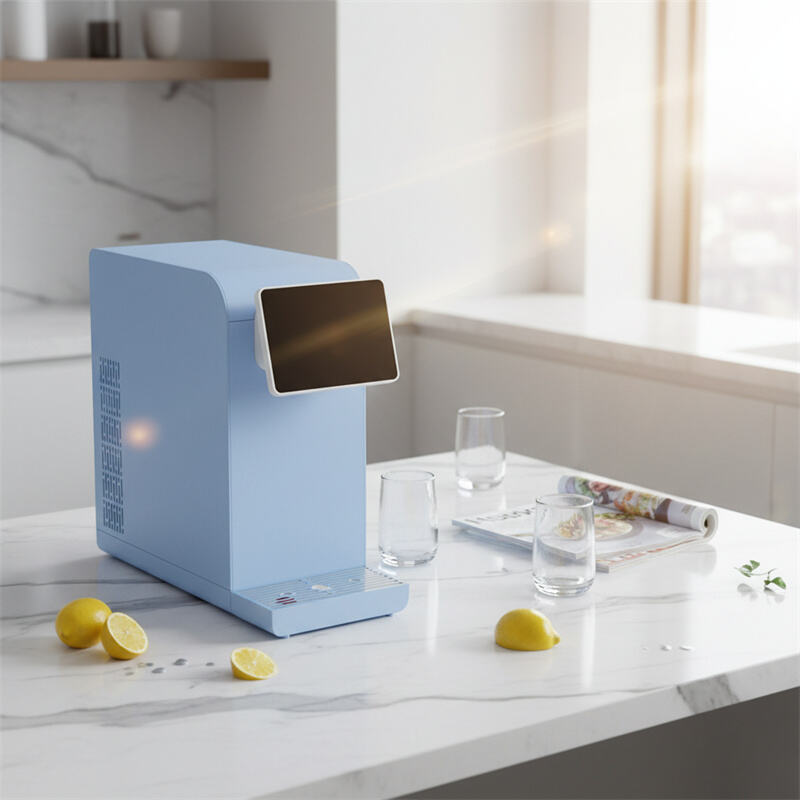
Plants in the coastal or coastal humid areas are made of corrosion-resistant materials that ensure that they are durable
The Durability of filtration equipment can be affected by the environmental conditions. The standard metal components are prone to corrosion rate in the facilities that are either near the coastline or in manufacturing which is highly moist or rather an installation that undergoes clean up procedures all the time.
To ensure that structural components and filtration casings do not lose integrity as the years go by, corrosion-resistant materials (reinforced polymer, stainless steel, or special coating) may be used. The materials are particularly important to the pre-filtration units which are normally located at the head-end of water systems and are exposed to the raw water conditions.
Sustainable construction is not only resistant to corrosion, but will also prevent leaks, structural distortion and contamination hazards. When dealing with global manufacturers, in which its products are distributed to different environments, the selection of the materials, which will resist corrosion or humid environment, is important to be reliable in the long run.
As the demand of water purification that is safe and efficient continues to rise all over the globe, Aquatal, a product of Suzhou Puretal Electric Co., Ltd., continues to invest in sustainable designs and feasible filtration technology to ensure the uninterrupted operation of water purification around the world.
Construction of reliability based on the first filtration stage
Pre-filtration refers to a process, which is normally overlooked because it does not make a noise in the background of water purifying processes. However, it is necessary: it will protect vulnerable equipment and stabilize the work of filters and reduce maintenance.
The modern pre-filtration systems have multi-stage filtration which is very helpful, easy-to-maintain housing designs and anti-corrosion materials which help to make sure that the crucial processes of the water work do not experience any issues even before the onset of their creation.
Table of Contents
- Multi-stage filtration trains have the ability to increase membrane life by 40%
- Filter loading can be checked by using transparent housings without closing
- Plants in the coastal or coastal humid areas are made of corrosion-resistant materials that ensure that they are durable
- Construction of reliability based on the first filtration stage