 EN
EN
 AR
AR
 BG
BG
 HR
HR
 CS
CS
 DA
DA
 NL
NL
 FI
FI
 FR
FR
 DE
DE
 EL
EL
 HI
HI
 IT
IT
 JA
JA
 KO
KO
 NO
NO
 PL
PL
 PT
PT
 RO
RO
 RU
RU
 ES
ES
 SV
SV
 TL
TL
 IW
IW
 ID
ID
 UK
UK
 VI
VI
 HU
HU
 TH
TH
 TR
TR
 FA
FA
 AF
AF
 MS
MS
 GA
GA
 AZ
AZ
 KA
KA
 BS
BS
 KK
KK
 KY
KY
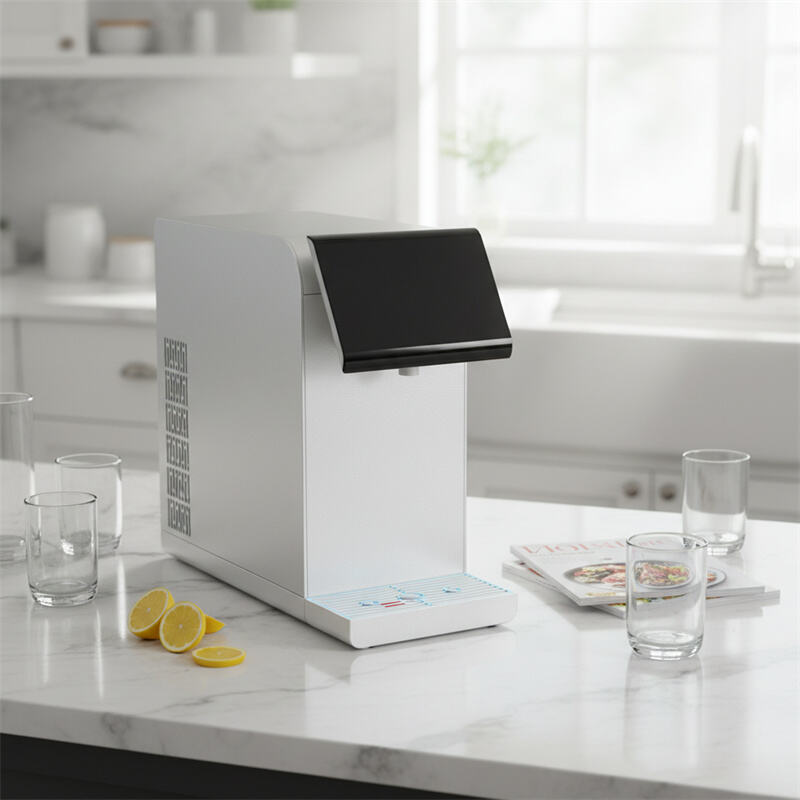
Reverse osmosis (RO) is a common technology that is being applied in the present day water purification systems due to the fact that it is able to eliminate dissolved salts, heavy metals, etc., that are present in water. Conventionally, installation of RO equipment used to take a lot of onsite assembly, testing and adjustment before the system could start functioning. To technicians and facility managers, the process might prolong the set up timeline and possibility of commissioning mistakes.
In answer, several current low-pressure RO systems are currently devised as a complete, pre-assembled and factory-tested device that comes ready to install instead of necessitating comprehensive field set up in commercial settings, in offices and as a public structure. These systems can reduce the time to deploy and minimize the field assembly as well as simplify the commissioning process without compromising the reliable filtration performance.
Factory Leak-Tested Skids Eliminate On-Site Pressure Testing Delays
The verification of the fact that all connections are safe under the operating pressure is one of the most time-consuming parts of the traditional RO system installation. On installation of systems, pressure tests should be done by technicians in order to ascertain that fittings, housings and piping are not leaking. This procedure may slow down the project and necessitate further problem-finding in case of issues.
Preassembled low pressure RO skids that are manufactured in factories can be used in order to minimize these uncertainties. The entire hydraulic assembly, comprising of pumps, membrane housings, valves and piping, is pressure tested under controlled manufacturing conditions before shipment. System verification and leak detection is done before the unit gets out of the production line.
Since the system is already tested as a complete assembly, the technicians will not have to spend much time on connecting inlet and outlet water lines, power supply, and drainage. This also minimizes the level of commissioning that is done at the field and enhances the stability of the installations in general.
Color-Coded Tubing and Labeled Valves Accelerate Technician Commissioning
Complex water treatment systems even with assembling equipment at hand may cause confusion during installation, when the components are not well defined. Poorly fitted or installed valves or mis-placed tubing might cause a problem with operation or operational delays during commissioning.
Most of the modern RO systems are color-coded and have labeled valves to make the set-up easier. These graphic indications lead the technicians in the connection process and simplify the way to locate feed water line, permeate outlets, concentrate discharge lines and flushing circuits.
Long term maintenance is also enhanced through clear labeling. The service technicians do not require a lot of documentation to know the flow path and the way the system will work when they access the system several months and years later. In organizations with many water purification units, consistent labeling helps in quicker problem-solving in addition to more uniform ways of conducting service.
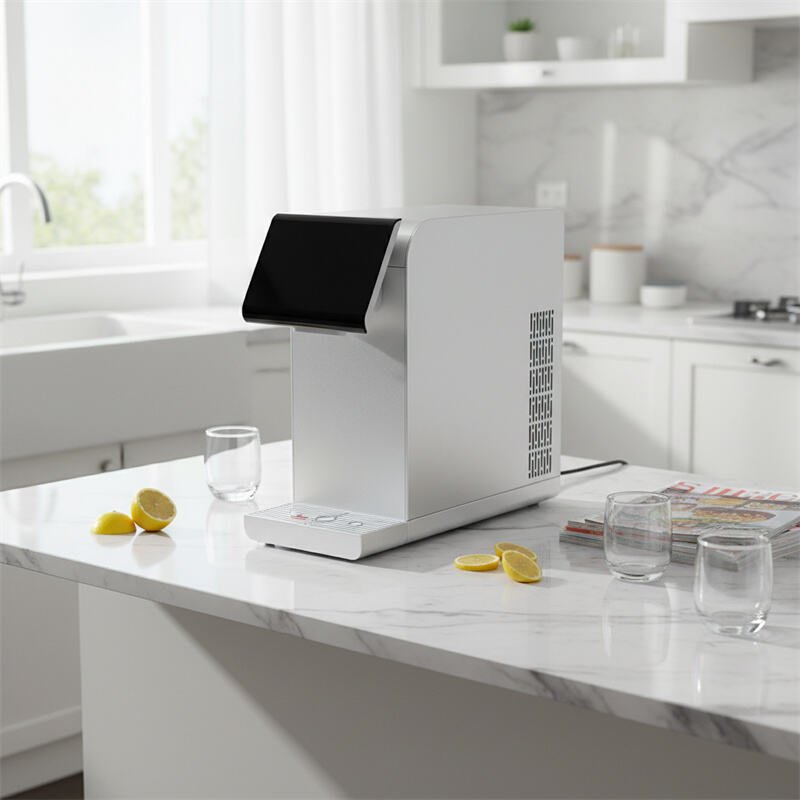
Integrated Flush Cycles Prevent Scaling During Intermittent Use in Seasonal Facilities
Vacation homes, seasonal enterprises or some commercial locations can utilize their water systems on a limited basis. When the RO systems are not operated over a long duration, the membrane surface may build up mineral deposits and scaling to lower the filtration effectiveness.
This problem is countered by integrated automatic flush cycles. These operations periodically wash the membrane with feed water or permeate to eliminate the deposited salts and decrease the chances of scaling when the plant is not in operation. This can be initiated during start up or at particular intervals based on system design.
In the case of seasonal facilities, this feature is useful in keeping membrane condition and makes the system available to start working when the demand of water is reestablished. It also saves the manual cleaning process that is required in the case of idle situations.
With the continued development of the RO technology, pre-engineered low-pressure systems are being developed thus ensuring efficiency in installation and operation. These combination of factory leak testing, intuitive component identification, and inbuilt flushing capabilities, advanced RO solutions are becoming pre-packaged to be ready to connect to enable water treatment professionals to deploy reliable purification systems much faster and with greater confidence.