
 EN
EN
 AR
AR
 BG
BG
 HR
HR
 CS
CS
 DA
DA
 NL
NL
 FI
FI
 FR
FR
 DE
DE
 EL
EL
 HI
HI
 IT
IT
 JA
JA
 KO
KO
 NO
NO
 PL
PL
 PT
PT
 RO
RO
 RU
RU
 ES
ES
 SV
SV
 TL
TL
 IW
IW
 ID
ID
 UK
UK
 VI
VI
 HU
HU
 TH
TH
 TR
TR
 FA
FA
 AF
AF
 MS
MS
 GA
GA
 AZ
AZ
 KA
KA
 BS
BS
 KK
KK
 KY
KY
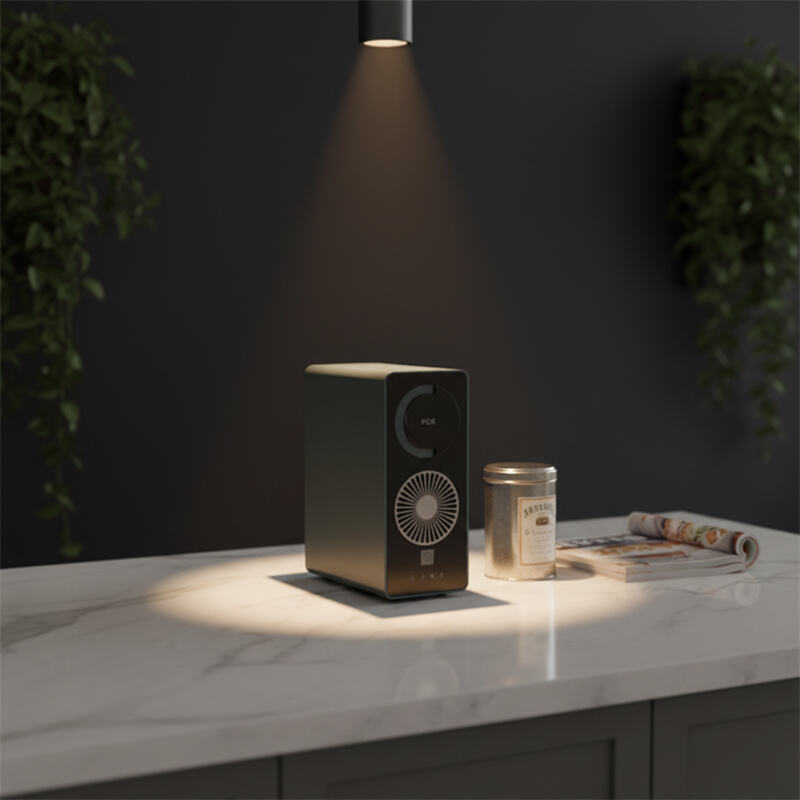
The city offices, hospitals, buildings, and those places which ensure close communication are more focused on turning the environment into the place where hygiene standards are the most important but without the loss of the opportunity to complete their daily functions.
Touchless water dispensers are emerging as a good solution to these expectations. Crossover contact can be minimized by applying modern systems that focus on the provision of consistent quality of water through incorporation of sensor dispensing and hygienic structure design. In the meantime, durability is also required especially in high traffic places where the equipment must have the capability of enduring with continuous usage.
Each of the design elements, highlighted below, goes on to show that touchless dispensers manufactured by our firm can be utilized to meet the needs of high levels of sanitation without compromising on long-term stability.
Smooth Surfaces, No Crevices Compliant to the NSF/ANSI 61 and Healthcare Sanitation Standards
The design of hygienic equipment must include elimination of parts that are hard to clean, which is one of the greatest considerations. Vintage dispensers typically contain cracks, holes, or low joints, which water and soil may hide, and it is hard to clean it. The modern world is creating more non-touch dispensers as a surface paneling of smooth exterior and seamless surface. Such designs may be applied so that joints may be reduced and crevices narrowed to avoid formation of debris or contaminants in those areas that are difficult to clean.
The drinking water systems should also be of the necessary standards of safety in terms of its materials. Components that come in contact with water are usually designed to align to the generally accepted standards such as NSF/ANSI 61 that furnishes the details of the security of material used in the drinking water system. These standards come in handy in prevention of introduction of harmful materials into the water supply.
These material choices combined with the application of smooth surface construction help equipment to be washed quickly and efficiently in the conditions where sanitation measures are greatly used.
Preventing Intermediate Growth of Bacteria between Cleanings Antimicrobial Coatings of User-Contact Zones
Although operation by touch can be reduced by a significant percentage, the physical contacts with the controls of the dispenser may still be required in certain situations when a user is required to touch the drip tray, bottle platform, or even the surrounding surface. Such spaces are usually moist and in high traffic and can be utilized as major points of hygienic design. Antimicrobial surface treatment is also included in other dispensers in such high-contact places. These finishes are invented to inhibit the growth of certain microorganisms on the treated surfaces which in effect inhibits proliferation of bacteria between cleaning processes.
It is worth noting that the antimicrobial materials are not used to replace the proper sanitation procedures. Cleaning and servicing are also required regularly. Nevertheless, the antimicrobial surface finishes may provide an additional protection against the development of microorganisms since they slow down the development of microorganisms when the material is used on a regular basis.
This extra safeguard will be incorporated in high-foot traffic such as clinics, workplaces and places of social service without significant changes to the routine cleaning activities.
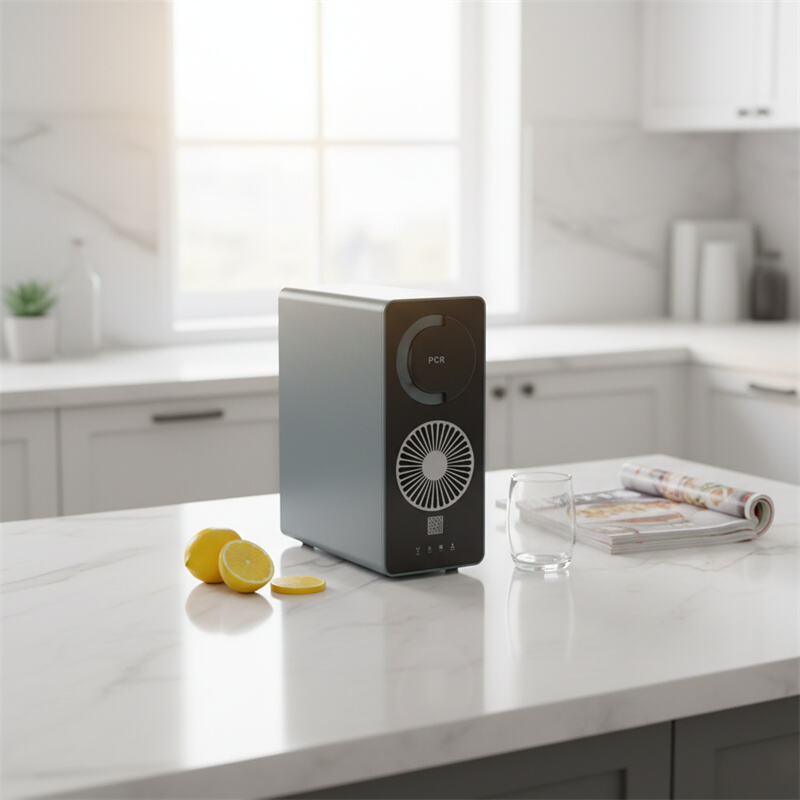
The self diagnostic LEDs are utilized to show the filter change or service that should be changed before the quality of the water becomes poor
The surface cleanliness is not the only issue of hygienic dispensing. Maintenance of internal filtration system should also be maintained well in order to maintain the water quality. Filter not changed when it attains its planned requested life time may be rendered ineffective or decrease flow of water.
In an attempt to overcome this predicament, the majority of dispensers produced today have self-monitoring indicator systems. Status lights can be LED lights which will monitor the running conditions and report to its users that the time to replace a filter or to service it is there.
They are the signs that can assist the facility managers to take action before performance of filtration becomes poor. The operators do not receive a set of regular maintenance schedules: they receive visual cues that assist them in servicing their airplanes on time.
These diagnostics are embedded to organizations that run multiple dispensers and hence it is easier to monitor the routine of these dispensers and ascertain whether it is offering safe and clean drinking water.
As the use of touchless technology grows, the utilization of water dispensers is shifting towards becoming more hygienically oriented in most sectors. Having a balance of a clean hygienic design, anti-microbial surface protection, and smart reminders to track the maintenance process, modern dispensing systems can attain a level of healthcare cleanliness and be capable of sustaining everyday stress.
Table of Contents
- Smooth Surfaces, No Crevices Compliant to the NSF/ANSI 61 and Healthcare Sanitation Standards
- Preventing Intermediate Growth of Bacteria between Cleanings Antimicrobial Coatings of User-Contact Zones
- The self diagnostic LEDs are utilized to show the filter change or service that should be changed before the quality of the water becomes poor