
 EN
EN
 AR
AR
 BG
BG
 HR
HR
 CS
CS
 DA
DA
 NL
NL
 FI
FI
 FR
FR
 DE
DE
 EL
EL
 HI
HI
 IT
IT
 JA
JA
 KO
KO
 NO
NO
 PL
PL
 PT
PT
 RO
RO
 RU
RU
 ES
ES
 SV
SV
 TL
TL
 IW
IW
 ID
ID
 UK
UK
 VI
VI
 HU
HU
 TH
TH
 TR
TR
 FA
FA
 AF
AF
 MS
MS
 GA
GA
 AZ
AZ
 KA
KA
 BS
BS
 KK
KK
 KY
KY
 BE
BE
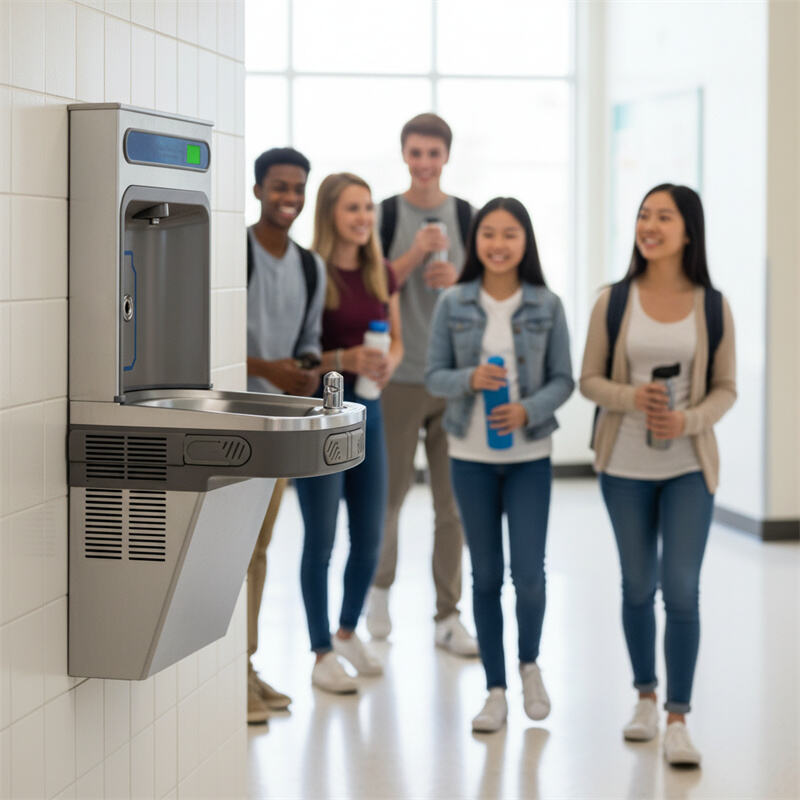
In the commercial environment, most of the time the best equipment is the unnoticed equipment. The workplaces of today, whether in offices or learning institutions, have relied on common hydration dispensers that would be running all day long. A water cooler that needs regular care is the next thing on the list of maintenance. It is due to this reason that much attention is being paid by many manufacturers who are keen on creating systems that easily fit in the daily operations and minimizing chances of downtime or service complications.
Aquatal is more and more in keeping with this design. A combination of energy transparency, versatile serviceability, and inbuilt safety measures are meant to enhance facility operations and not to impose more workload on them.
ESG and Facility Sustainability Reporting Support through annualized Energy Consumption Data
The issue of energy efficiency is increasingly playing a role in the choice of equipment, especially as companies continue to increase their environmental, social and governance (ESG) reporting. Facilities managers are usually requested to monitor and record the energy use of appliances utilized in the entire buildings such as water dispensers and cooling systems.
In the contemporary commercial water coolers, transparency on energy is being increasingly considered in the design. Manufacturers can offer annualized energy use data or standardized performance indicators which organizations can use to estimate the energy performance of installed units as time goes by.
The information can be used to make facilities integrate the water dispensing equipment into more comprehensive sustainability reporting systems. With energy data properly recorded, firms will have an easier time comparing equipment choices, assessing energy efficiency gains, and showing beneficial advances toward internal sustainability goals.
In the case of organizations that maintain a number of hydration stations in offices or campuses, regular energy reporting also serves the purpose of assisting the long term operation planning and standardization of equipment.
All Standardized Filter Interfaces can be used with several vendor cartridges to prevent lock-in
Vendor dependency is another typical problem in the field of facility management. There are water purification systems based on proprietary filter designs that have to be supplied by only one supplier. In case of difficulties in the availability of parts of the replacement or prolongation of lead times, the regular maintenance will be soon complicated.
As a means of mitigating this risk, We have standardized filter interfaces that may take on compatible cartridges of various suppliers. This method is more flexible during the sourcing of replacement filters but the filtration remains appropriate. In case of service technicians and procurement teams, the standardized interfaces make the process of managing inventory easier. Rather than keep a variety of different types of filters to fit various models, facilities are able to simplify maintenance by having fewer different types of compatible components.
This flexibility promotes long term use of equipment as well. With the evolution of filtration technologies or alteration of the supply chains, operators will have more choices of how they can maintain their systems without being limited by a certain vendor.
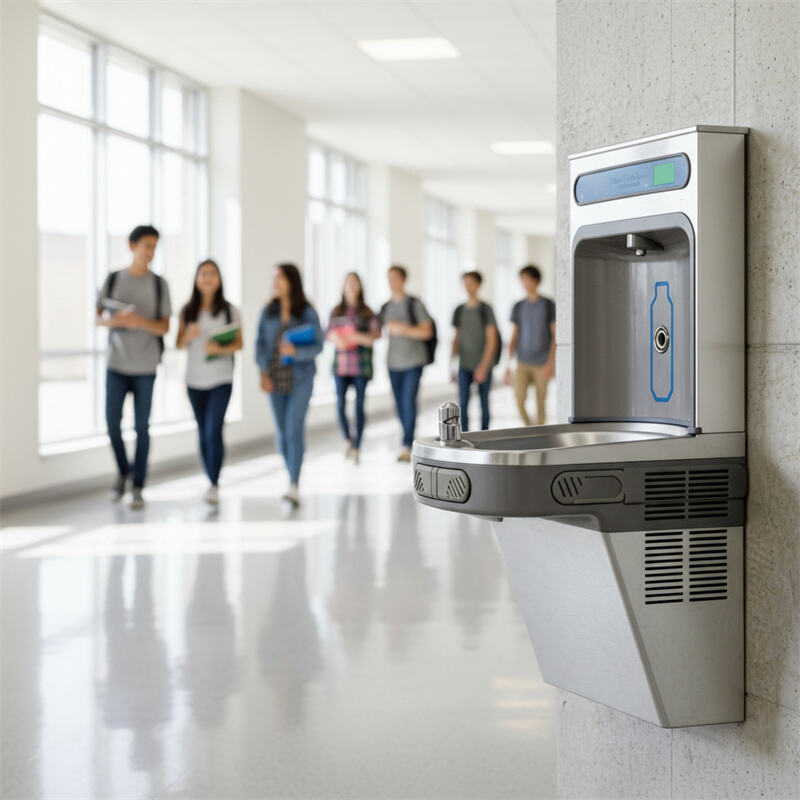
Leak Detection Sensors will automatically turn off supply without permission to avoid claims of floor damage
A water equipment that is installed in offices, hotels or commercial buildings should be risk-preventive in design. Leaks even in the small scales may cause damage to water, and safety or expensive insurance claim in the event that it is not detected. In a bid to deal with this issue, commercial water coolers today have built-in leak detectors. The sensors in critical places will be able to monitor the abnormal moisture levels or any unanticipated water flow. In case of a leakage, the system will be able to automatically turn off the water supply to avoid additional leakage. This quick reaction is beneficial in preventing the possibility of flooring, cabinetry or the surrounding equipment to be damaged.
Facility managers, who need to have a large building or a distributed installation, have extra peace of mind with this kind of built-in protection. The system itself helps in early risk detection as opposed to the conventional system that uses manual inspections only.
As business settings go on stressing efficiency, reliability and sustainability, water coolers are transforming out of mere appliances to carefully designed office infrastructure. Through the provision of clear energy information, customizable maintenance, and inbuilt measures of safety, new systems are more and more being intended to operate silently in the background, and to provide reliable hydration, without being on the maintenance list.