 EN
EN
 AR
AR
 BG
BG
 HR
HR
 CS
CS
 DA
DA
 NL
NL
 FI
FI
 FR
FR
 DE
DE
 EL
EL
 HI
HI
 IT
IT
 JA
JA
 KO
KO
 NO
NO
 PL
PL
 PT
PT
 RO
RO
 RU
RU
 ES
ES
 SV
SV
 TL
TL
 IW
IW
 ID
ID
 UK
UK
 VI
VI
 HU
HU
 TH
TH
 TR
TR
 FA
FA
 AF
AF
 MS
MS
 GA
GA
 AZ
AZ
 KA
KA
 BS
BS
 KK
KK
 KY
KY
 BE
BE
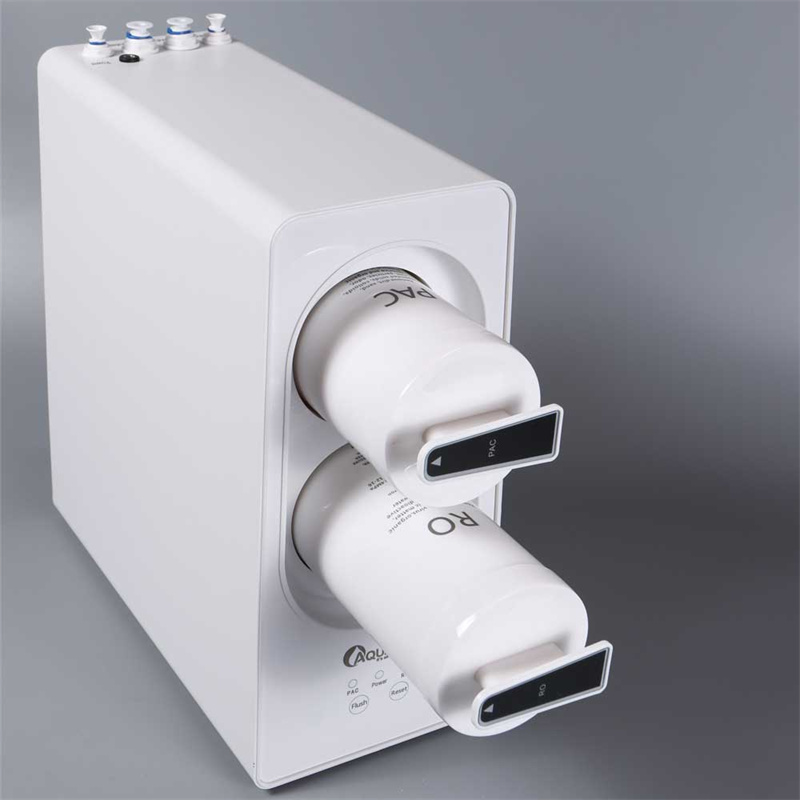
The purchase of a commercial reverse osmosis system is actually substantial capital expenditure, and the addition of UV disinfection adds another layer of consideration. Choosing the wrong unit can result in frequent membrane replacement, excessive maintenance costs, and water quality that is actually unsuitable for your products, customers, and reputation. Possessing knowledge and considerable experience, Aquatal has emerged as an international leader in the field of water treatment. We have compiled a guide to help you distinguish effective and economical system from one that could become excessive maintenance burden.
The Critical Role of Smart Pre-Filtration in Extending RO Membrane Lifespan
RO membranes are the most costly disposable components of any RO system, and their lifespan depends almost entirely on the quality of the water that precedes them. Small particles of sediment scour the membrane surface, significantly lowering its rejection rate. Hard dissolved minerals precipitate and form an insoluble layer, often requiring aggressive chemical cleaning. Biological growth can produce a film on the membrane surface that degrades the membrane’s polymers. Unless the pre-filtration system is adequate, an excellent RO membrane will quickly cease to function and it will be short of its theoretically attainable lifespan.
Many commercial RO systems have a few basic pre-filters that, while effective, do not prepare the water for the RO membrane in an optimal manner. A single-stage sediment filter will remove only larger particles while finer materials pass through and begin to wear the RO membrane over time. Multi-stage pre-filters will use graduated micron ratings, each with a subsequent level of filtration and a finer micron size than the preceding stage. This process provides the RO membrane with increasingly clean water, drastically reducing fouling rates. When selecting a unit, it is imperative to understand exactly what the pre-filter system comprises. Number of stages and micron size of each stage, plus availability of specialized media for chlorine and scale removal are all integral to the expected life of the RO membrane. Commercial clients who use well designed, multi-stage pre-filters often find that their membranes last considerably longer than their counterparts who utilize less-complex pre-filtration methods.
Why Automatic UV Disinfection is Essential for High-Hygiene Commercial Environments
In the case of high-hygiene applications such as healthcare, food service and restaurants, laboratories and medical facilities, microbial contaminants are completely unacceptable. Reverse osmosis removes a vast majority of microorganisms but not all of them. UV disinfection provides a barrier against biological contaminants and renders bacteria, viruses, and protozoan parasites inactive. This process does not use chemicals. Unfortunately, traditional UV units create a number of different challenges for commercial users.
Mineral scale and biological films adhere to the UV lamps' quartz sleeve, preventing UV transmission. The sleeves must be cleaned and the lamps replaced. This procedure requires system shutdown, disassembly of delicate components, and extended periods of reduced efficiency. Automatic UV disinfection, as it implies, allows for automatic maintenance of UV lamps and sleeves. Such systems are equipped with mechanical wiper systems that, when activated either by timer or performance monitoring system, clean any buildup off the quartz sleeves. When the UV system is maintained automatically, the unit can maintain an optimal level of UV transmission indefinitely, or at least without significant user intervention.
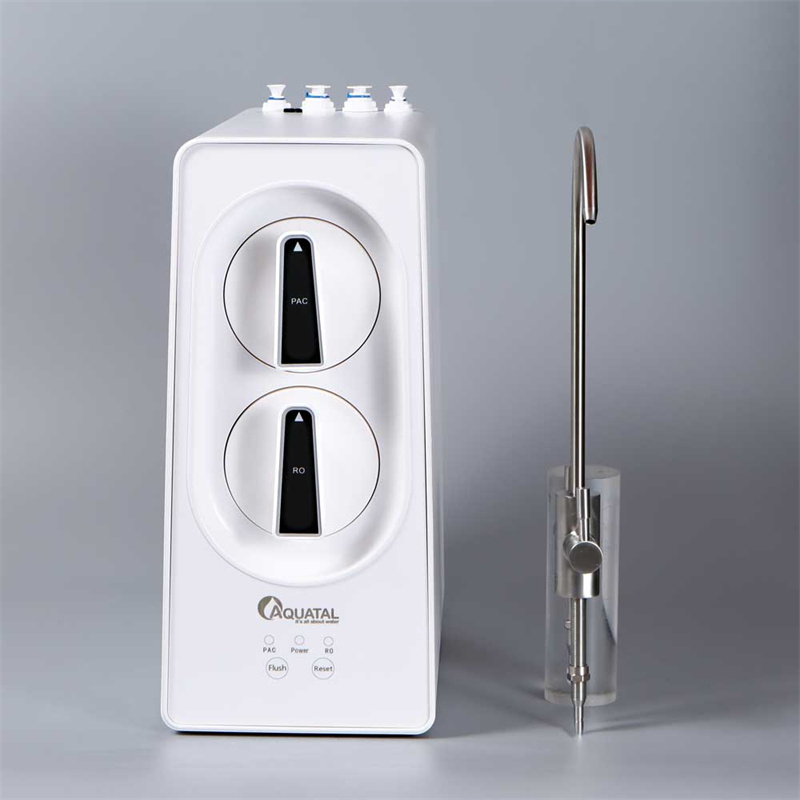
Key Features to Look for: Corrosion Resistance and Visual Inspection Capabilities
Mechanical rooms can be extremely humid, seaside installations will need to withstand saline air, and some industrial sites are subject to excessive temperatures or chemicals that could damage lesser equipment. A unit with components made with commonplace materials that are prone to rust will eventually corrode. Leakage will become a problem when the threaded connections fail. Seals will leak when corroded, and parts will inevitably deteriorate until they fail. The worst-case scenario is catastrophic failure of a single component, which would flood the entire room. Be observant of systems using common plated metal fittings.
The best units will utilize materials such as high-grade stainless steel, high-grade polymer or non-metallic composite construction. Be especially concerned with the construction of the UV chamber where temperatures and humidity will be a concern. Corrosion weakens components and leads to leaks at connections. The most severe damage from corrosion is the complete disintegration, which can subsequently flood the treatment room. Sight tubes and viewing ports are essential to a system's usability. Visual inspection of water clarity throughout the pre-filter stages, pressure gauges, and UV bulb operation provides confirmation of system functionality.
Aquatal has quickly expanded from serving local markets and moved into the American, European, African, and Australian markets. We manufacture our systems and develop new products in our Chinese facilities and thoroughly test all systems prior to shipment. From our network of warehouses, research laboratories and logistics centers around the globe, we ensure adequate parts and customer service are readily available to any Aquatal system location worldwide. Aquatal offers advanced technology, quality reliability, tailored solutions, cost effective manufacturing, expertise support, global access, and environment responsibility. The clean water your business needs can only be achieved with the right system.