
 EN
EN
 AR
AR
 BG
BG
 HR
HR
 CS
CS
 DA
DA
 NL
NL
 FI
FI
 FR
FR
 DE
DE
 EL
EL
 HI
HI
 IT
IT
 JA
JA
 KO
KO
 NO
NO
 PL
PL
 PT
PT
 RO
RO
 RU
RU
 ES
ES
 SV
SV
 TL
TL
 IW
IW
 ID
ID
 UK
UK
 VI
VI
 HU
HU
 TH
TH
 TR
TR
 FA
FA
 AF
AF
 MS
MS
 GA
GA
 AZ
AZ
 KA
KA
 BS
BS
 KK
KK
 KY
KY
 BE
BE
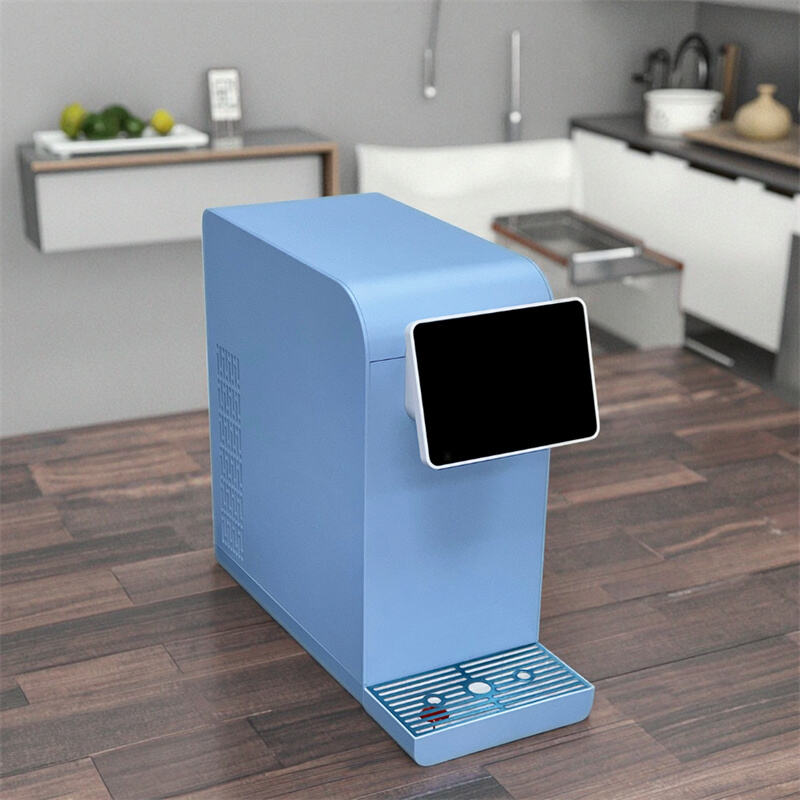
Clean water is actually global concern, and businesses constantly seek reliable, treated water that requires minimal handling. To meet this need for purer drinking water, Aquatal specializes in delivering state-of-the-art reverse osmosis water systems that are hassle-free to install and provide high quality drinking water without requiring contact with shared surfaces. With an enormous amount of expertise and hundreds of installations under the belt, Aquatal has become a global leader for water treatment. Take a look at the three main advantages of integrated water systems in commercial premises.
Reducing Installation Errors with Factory-Assembled and Leak-Tested Units
One of the biggest time-wasters and mess-buildings in commercial water treatment is assembling everything on-site. Normal systems come as parts that technicians have to link together by using numerous fittings, installing modules in the desired position and hoping all the joints are tight enough. A single mistake during installation can actually add hours to troubleshooting. One wrongly positioned tube can cause unnoticed leaks that only happen when system is running once engineers leave. Every hour slippage in the installation process means production down time.
Ready to install RO systems actually remove this question by arriving ready to run. Pump, control electronics, internal plumbing, membrane housings, and all valves are affixed on one tough unitized frame at the factory. Still more important, every system is tested at set pressure for leaks before it leaves for your site. The water flows through every internal channel and the automated sensors verify that there are no leaks at each and every weld, fitting, and coupling. Once verified, then and only then will this system be shipped.
Enhancing Public Health Safety with NSF-Certified Touchless Dispensers
But it’s not just the quality of water that actually matters. The dispenser from which water is delivered must be safe for public use. Conventional dispensers that have push pads, levers or button controls are touched by hundreds or thousands of hands between cleanings. Each time people approach, bacteria, viruses, or other pathogens are actually transferred from their hands to dispenser, which countless others then touch. In healthcare the end result can be detrimental to life itself. In schools that means kids spread that illness while eating. In food service, pathogens picked up by a server can be transferred to customers' hands via the glass of water they receive after from the dispenser.
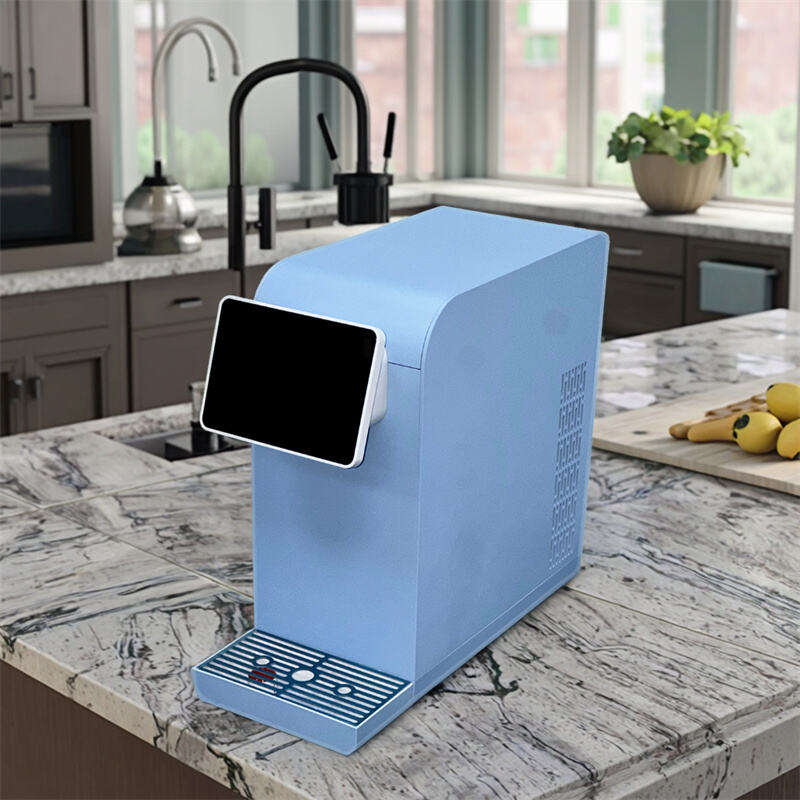
Touchless dispensers have no common contact surfaces. Rather, they are activated by a sensed input, either infrared or capacitive wave detection. When the user holds a cup or hands underneath the nozzles, the water flows. When the cup is removed, the flow automatically ceases. The flow is always timed to the exact amount that the user needs and the user never touches any part of the device.
The certification and labeling signifies documented confirmation of compliance to the highest standards of safety, material contact and cleanability not just for a touchless, but for a high-functioning, fully material contact dispenser. The NSF/ANSI 61 signifies not just the safety of the material contact elements to drinking water, but the sanitary equilibrium of the dispenser design. Seamless, crevice-free surfaces get rid of the cracks, seams and textured regions hiding and breeding bacteria. For food service or institutional facilities managers in charge of the public health, this is no indulgence. Those same smooth surfaces make cleaning faster, as well: all you need to do to sanitize a seamless panel of this dispenser is give it a quick wipe down with a sanitizing wipe.
Maintaining Water Quality During Intermittent Use via Auto-Flush Cycles
Commercial RO systems actually face challenges that residential units do not. Commercial units may be without use for hours, or even days at a time, between periods of extreme use. A school actually operates mostly during the day and is closed on weekends. A church that uses a lot of water on the weekends, but very little during the week. A seasonal cafe that closes for months. During these dormant periods, biological growth, mineral scale, and poor membrane performance are all an issue. Water that sits stagnant in pipes and on membrane surface allows dissolved minerals to precipitate and form hard scale. Bacteria can also grow in the absence of flowing water and residual disinfectants.
Auto-flush cycles overcome this weakness by intelligently, automatically, and continuously monitoring the system’s usage patterns. When the system finds that it has produced no water for a preset period of time, an automatic flush cycle is triggered. This flush cycle passes fresh feed water across membrane surface, pulling out concentrated salts and other contaminants before large crystals form. The now contaminated feed water is flushed off into the drain, leaving the membrane wetted, but not heavily contaminated with salts or bacteria. This cycle is actually repeated as needed while the system is in use.
Our goal is to actually maintain high quality, efficiency, and effectiveness of our products while ensuring excellent pre-sales and after-sales service. To realize this vision, Aquatal actually puts great effort into forming international partnerships and invests heavily in development. Upgrades and new products are actually launched each year, demonstrating the company’s commitment to growth.