 EN
 AR
 BG
 HR
 CS
 DA
 NL
 FI
 FR
 DE
 EL
 HI
 IT
 JA
 KO
 NO
 PL
 PT
 RO
 RU
 ES
 SV
 TL
 IW
 ID
 UK
 VI
 HU
 TH
 TR
 FA
 AF
 MS
 GA
 AZ
 KA
 BS
 KK
 KY
 BE
Adding a countertop water dispenser to a workspace or kitchen can significantly enhance hydration accessibility and promote a healthier work environment. For B2B buyers, key concerns include product selection, quality assurance, and overall value. This article will guide you through choosing the right Water Dispenser, evaluating its specifications, and understanding common issues, ensuring you make an informed purchasing decision.
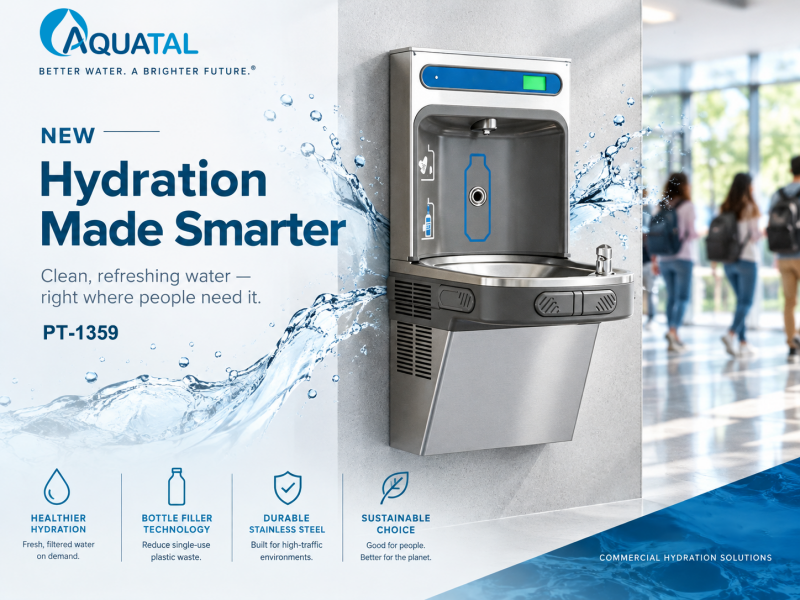
Choosing the Right Countertop Water Dispenser for Your Workspace
When selecting a countertop water dispenser, several factors should be taken into account to ensure it meets your workplace needs. First, consider the capacity required. Smaller offices may only need a model that dispenses a few liters at a time, while larger workspaces may require a high-capacity unit that can handle increased demand.
Next, evaluate the features. Some units offer hot and cold water options, while others may provide additional filtration systems for enhanced water quality. Additionally, assess the design and size to ensure it fits well within your kitchen or workspace. Aesthetic considerations can also play a role, particularly in customer-facing environments.
Finally, the source of water is crucial. Determine whether you will be using bottled water or direct plumbed-in systems. Each option has its benefits, such as convenience versus cost and environmental impact. Understanding these factors will help you narrow down your choices effectively.
Key Specifications to Consider for Countertop Water Dispensers
When assessing countertop water dispensers, several specifications are critical. First, the filtration system type is vital. Different filters, such as activated carbon, reverse osmosis, or UV filters, offer varying levels of purification, which impacts water quality and taste.
Another important specification is the flow rate, which indicates how quickly water can be dispensed. This is particularly important in busy environments where multiple individuals may need access simultaneously.
The materials used in construction should also be considered. Stainless steel is preferred for its durability and resistance to corrosion, while plastic options may be lighter but can harbor bacteria if not properly maintained.
Lastly, check the energy efficiency rating of the unit. Energy-efficient models can lead to significant savings on electricity bills and reduce environmental impact, making them a smart choice for businesses focused on sustainability.
How to Evaluate the Quality of Countertop Water Dispensers?
Evaluating the quality of countertop water dispensers involves a few key steps. Start by inspecting the build quality. A robust unit should feel solid and well-constructed, with no loose parts or signs of wear.
Next, review the manufacturer's reputation. Established brands like Aquatal, with over ten years in the water treatment industry, often provide more reliable products backed by warranties and customer service. Check for certifications that indicate compliance with health and safety regulations, such as NSF or FDA approvals, which ensure the product meets certain standards.
Additionally, consider customer reviews and case studies. Feedback from other businesses can offer insights into the product's performance in real-world settings. Look for comments about longevity, filtration effectiveness, and ease of use.
Lastly, be aware of the maintenance requirements. A quality cool water dispenser should have easy access to parts that need regular cleaning or replacement, such as filters, to ensure ongoing performance.
Common Problems with Water Dispensers and Their Solutions
While countertop water dispensers are generally reliable, several common issues can arise. One frequent problem is insufficient water flow, which can be caused by clogged filters or low water pressure. Regular maintenance, including timely filter replacements and checking water source pressure, can mitigate this issue.
Another concern is temperature inconsistency in hot or cold water. This may indicate a malfunctioning thermostat or heating element, which should be addressed by a qualified technician.
Leakage is another issue that may occur, often due to worn seals or improper installation. Regular inspections can help identify potential leaks before they become significant problems.
Lastly, bacteria buildup can occur if the dispenser is not cleaned regularly. Implementing a routine cleaning schedule and using disinfectants approved for food contact surfaces can help maintain hygiene and ensure safe water consumption.
Best Applications for Countertop Water Dispensers in Commercial Settings
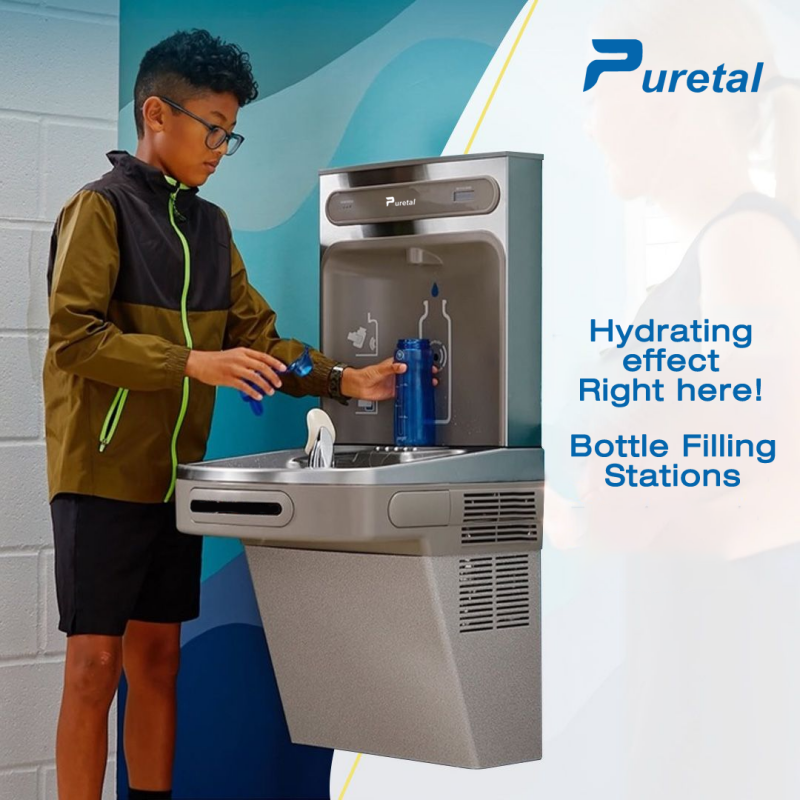
Countertop water dispensers are versatile and can be integrated into various commercial settings. In offices, they serve as convenient hydration stations for employees, improving productivity and morale. By providing easy access to clean water, companies can encourage healthier lifestyle choices among staff.
In hospitality environments, such as hotels or restaurants, countertop dispensers can enhance guest experiences. Offering flavored or enhanced water options can differentiate a business and promote sustainability by reducing bottled water consumption.
Healthcare facilities also benefit from countertop water dispensers. Providing staff and patients with easy access to purified water is essential for health and wellness. Units designed with touchless operation can further enhance hygiene in sensitive environments.
Lastly, educational institutions can implement countertop dispensers in cafeterias and common areas, promoting hydration in a setting where students often forget to drink enough water throughout the day.
By understanding these applications, businesses can select the most suitable countertop dispenser water cooler to meet their specific needs.
Table of Contents
- Choosing the Right Countertop Water Dispenser for Your Workspace
- Key Specifications to Consider for Countertop Water Dispensers
- How to Evaluate the Quality of Countertop Water Dispensers?
- Common Problems with Water Dispensers and Their Solutions
- Best Applications for Countertop Water Dispensers in Commercial Settings