 EN
 AR
 BG
 HR
 CS
 DA
 NL
 FI
 FR
 DE
 EL
 HI
 IT
 JA
 KO
 NO
 PL
 PT
 RO
 RU
 ES
 SV
 TL
 IW
 ID
 UK
 VI
 HU
 TH
 TR
 FA
 AF
 MS
 GA
 AZ
 KA
 BS
 KK
 KY
 BE
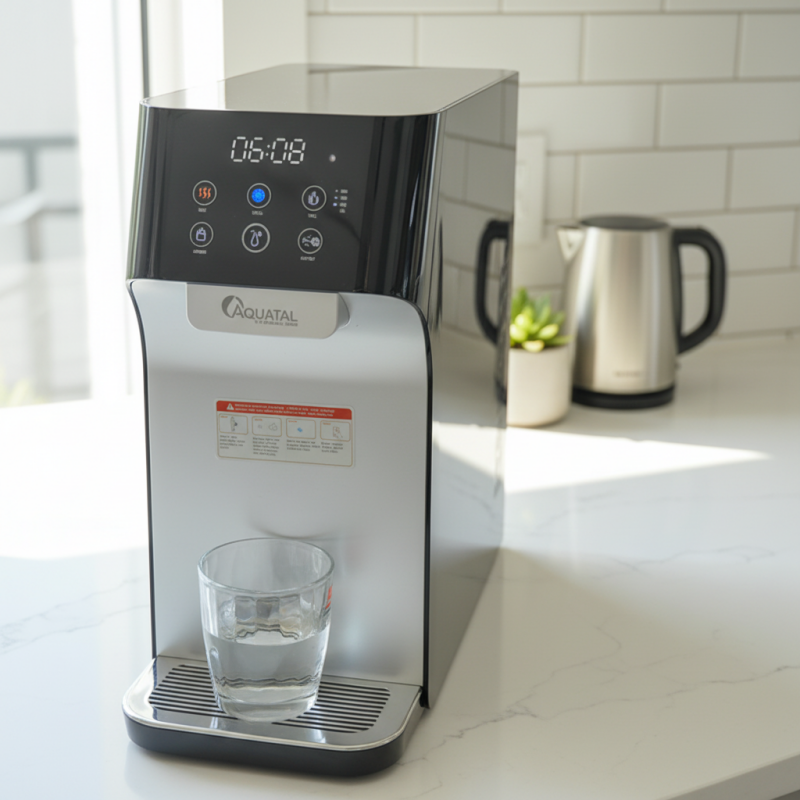
Reverse osmosis (RO) water purifiers have become vital for businesses seeking reliable filtration solutions. By removing contaminants, these systems provide high-quality water essential for various applications, including food and beverage production, pharmaceuticals, and industrial processes. For purchasing managers and engineers, understanding RO water purifier performance is crucial to ensure they choose the right system that meets their specific needs. This article will guide you through key considerations when selecting RO water purifiers, evaluating their quality, troubleshooting common issues, installation guidance, and sourcing reliable suppliers.
How to Choose the Right RO Water Purifier for Your Business?
Selecting the appropriate RO water purifier involves several critical considerations. First, assess the water quality in your location. Understanding parameters such as total dissolved solids (TDS), pH levels, and specific contaminants will help determine the required filtration capabilities. The system's capacity must also align with your business's water demand, which can vary widely based on operational needs.
Next, consider the size and installation space available. Commercial systems come in different configurations, including under-sink, wall-mounted, or stand-alone units. Your choice will depend on available space and whether the system needs to be integrated into existing plumbing.
Also, evaluate the purification technology and material quality. High-quality membranes and components enhance performance and longevity, reducing maintenance costs over time. Customization options may be available to tailor the system to specific operational requirements, such as additional filtration stages for specific contaminants.
Lastly, look into the warranty and support services offered by suppliers. An established manufacturer like Aquatal, with over ten years in water treatment, can provide expert assistance and reliable support, which is vital for maintaining operational efficiency.
Evaluating the Quality of RO Water Purifiers for Wholesale Buyers
When evaluating RO water purifiers for wholesale purchasing, several factors should be considered to ensure quality and reliability. Start by requesting detailed product specifications, including membrane type, filtration capacity, and flow rates. High-quality RO systems typically use thin-film composite (TFC) membranes, known for their efficiency in removing a wide range of contaminants.
It's essential to verify certification standards such as NSF/ANSI for water treatment products. These certifications indicate that the product has been tested for safety and performance. Additionally, inquire about the manufacturer's quality control processes, including testing procedures during production, which can provide insight into the reliability of the systems.
Wholesale buyers should also assess the availability of replacement parts and filters. A system that is difficult to maintain can lead to increased downtime and operational costs. Understanding the manufacturer's support for after-sales service, including replacement part availability and technical assistance, is crucial for long-term satisfaction.
Moreover, consider the manufacturer's reputation and experience in the industry. Companies like Aquatal, with a strong global presence, often have established quality standards and a track record of successful installations.
Common Problems with RO Water Purifiers and Their Solutions
Despite their effectiveness, RO water purifiers can encounter common issues. One frequent problem is reduced water flow or pressure, often caused by a clogged pre-filter or a worn-out membrane. Regular maintenance, including timely replacement of pre-filters, can prevent these issues. It is advisable to set a maintenance schedule based on your system's usage to ensure optimal performance.
Another issue is the production of wastewater. RO systems typically waste a portion of water during the filtration process, which can be a concern for businesses with sustainability goals. Advanced designs or systems that utilize a permeate pump can reduce wastewater generation, making them more environmentally friendly.
Additionally, a bad taste or odor in the purified water may indicate bacterial growth in the storage tank. Regular disinfection and tank cleaning can mitigate this issue. It's also advisable to perform routine checks on water quality, ensuring that the system is functioning as intended.
Installation Guidance for Commercial RO Water Purifier Systems
Proper installation is essential for the optimal performance of commercial RO water purifiers. Begin by reviewing the manufacturer’s installation guide, which typically includes detailed steps and diagrams. Ensure that the installation site has the necessary plumbing and electrical connections as specified.
Before installation, assess the location for accessibility. Systems should be placed where maintenance can be performed easily, and where there is sufficient drainage for waste water.
When connecting the system to water supply lines, use high-quality fittings and pipes to prevent leaks. It’s also critical to check the incoming water pressure; RO systems generally require a pressure range between 40-100 psi. If the water pressure is low, consider a booster pump to enhance performance.
Finally, after installation, conduct a thorough system check. Run the water purifier at home system for several hours and monitor the water output. Testing for TDS levels before and after filtration will help confirm the system's effectiveness.
Where to Source Reliable Suppliers of RO Water Purifiers?
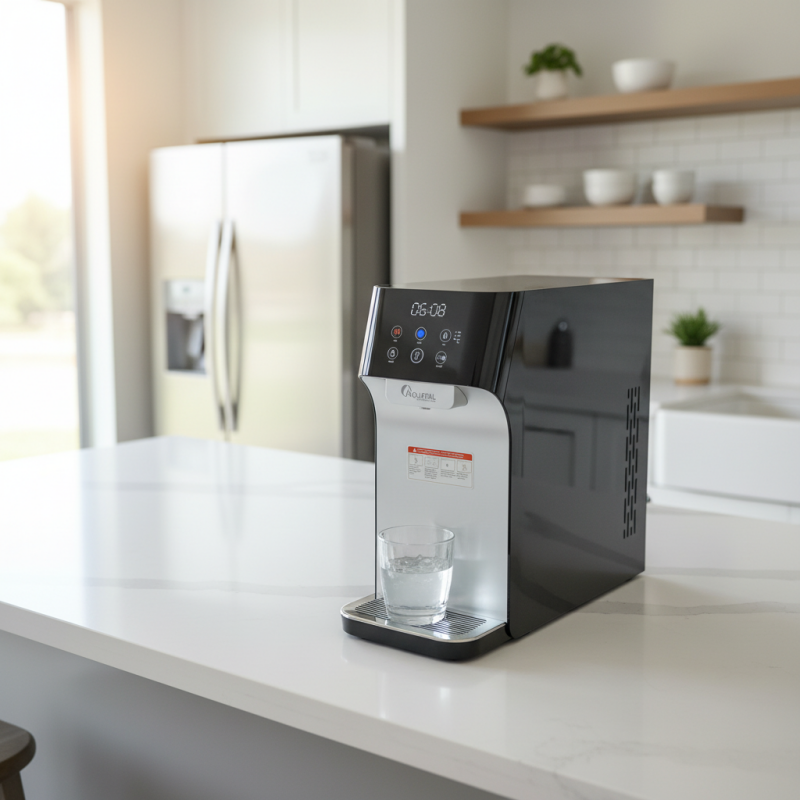
Finding trustworthy suppliers for RO water purifiers is crucial for ensuring quality and efficiency. Start by researching manufacturers with a strong reputation in the industry. Companies like Aquatal, known for their commitment to advanced technology and reliable solutions, can be a good starting point.
Utilize online platforms and industry trade shows to connect with suppliers and learn about their offerings. Evaluate potential water purifier system for house suppliers based on their production capabilities, response times, and customer service. Request product samples or demonstrations to assess performance firsthand.
Additionally, consider suppliers who offer customization options. This flexibility can be advantageous for businesses with unique filtration needs, allowing for tailored solutions that align with specific operational requirements.
Finally, read reviews and seek references from other businesses in your industry. Direct feedback can provide valuable insights into the reliability and service quality of potential suppliers.
By understanding RO water purifier performance and carefully navigating the selection and installation process, businesses can ensure they invest in systems that meet their specific needs and maintain high standards of water quality.
Table of Contents
- How to Choose the Right RO Water Purifier for Your Business?
- Evaluating the Quality of RO Water Purifiers for Wholesale Buyers
- Common Problems with RO Water Purifiers and Their Solutions
- Installation Guidance for Commercial RO Water Purifier Systems
- Where to Source Reliable Suppliers of RO Water Purifiers?