
 EN
 AR
 BG
 HR
 CS
 DA
 NL
 FI
 FR
 DE
 EL
 HI
 IT
 JA
 KO
 NO
 PL
 PT
 RO
 RU
 ES
 SV
 TL
 IW
 ID
 UK
 VI
 HU
 TH
 TR
 FA
 AF
 MS
 GA
 AZ
 KA
 BS
 KK
 KY
 BE
A countertop water purifier is an essential asset for compact commercial spaces, providing clean and safe drinking water without the need for extensive plumbing or installation. Designed to fit seamlessly into small areas, these systems address key concerns for B2B buyers, including cost-effectiveness, efficiency, and ease of use. We will explore why a countertop water purifier fits compact commercial spaces, helping purchasing managers and facility operators make informed decisions.
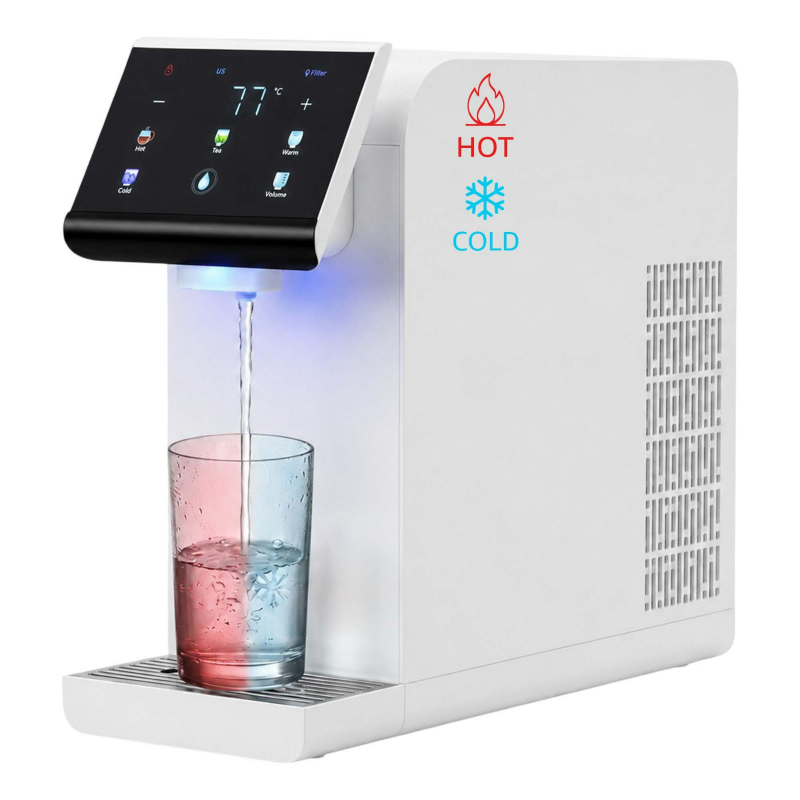
How a Countertop Water Purifier Saves Costs in Compact Environments?
Countertop water purifiers can significantly reduce costs for businesses occupying limited spaces. First, they eliminate the need for expensive plumbing installations typically associated with larger water purification systems. This not only saves on installation expenses but also minimizes potential disruptions to business operations during setup.
Additionally, countertop models are often more energy-efficient than larger systems. They typically use less water and energy, contributing to lower utility bills. Given that many small businesses operate on tight budgets, these savings can improve overall profitability. By providing high-quality water without high overhead costs, countertop water purifier at home represent a smart investment for companies in compact environments.
Key Specifications to Evaluate for Commercial Water Purification Systems
When selecting a countertop water purifier, several key specifications must be evaluated to ensure optimal performance.
-
Filtration Technology: Understand the types of filtration technologies used, such as activated carbon, reverse osmosis, or UV purification. Each technology has different performance characteristics and contaminants it can effectively reduce.
-
Flow Rate: This measures how much purified water the system can deliver in a given timeframe. A higher flow rate is preferable for busy environments where multiple users may require access simultaneously.
-
Capacity: Assess the daily water purification capacity of the unit. This needs to align with the expected volume of water consumption in your commercial space.
-
Size and Dimensions: Given the constraints of compact spaces, measure the available area where the water purifier best will be placed. Ensure the dimensions of the unit will fit without obstructing other operations.
-
Maintenance Requirements: Check the ease of filter replacement and overall maintenance. A system requiring frequent maintenance can disrupt business continuity and lead to additional costs.
-
Certifications: Look for certifications from reputable organizations, which can indicate compliance with health and safety standards.
These specifications will help ensure that the chosen countertop water purifier meets the specific needs of your commercial operations while maintaining efficiency and reliability.
Compare Different Countertop Water Purifiers for Optimal Performance
When comparing countertop water purifiers, consider various models that offer distinct features and benefits. For instance, some purifiers may focus on reducing specific contaminants like lead or chlorine, while others might offer broader filtration capabilities.
-
Performance Metrics: Review independent testing results that measure each unit's efficiency at removing contaminants. This can provide insights into which models deliver superior purification.
-
User Reviews and Case Studies: Engaging with feedback from other businesses can offer real-world insights into the performance and reliability of different purifiers. Look for case studies related to similar applications or industries.
-
Warranty and Support: Assess the warranty period and the availability of customer support. A longer warranty can indicate manufacturer confidence in their product, and effective support can be crucial in resolving issues quickly.
By thoroughly comparing these factors, businesses can select a countertop water purifier that provides the best blend of performance, reliability, and support for their specific needs.
Quality Control Practices in Manufacturing Countertop Water Purifiers
Quality control is paramount in the manufacturing of countertop water purifiers. At Aquatal, we prioritize stringent quality control practices to ensure that our products meet high standards. Key practices include:
-
Material Selection: Quality begins with the materials used in construction. We select high-grade plastics and metals that are safe for water contact and resistant to corrosion.
-
In-Process Inspections: Regular inspections during the manufacturing process help identify potential defects before the product reaches the market. This includes checks on sealing integrity, filtration performance, and overall assembly quality.
-
Final Product Testing: Before shipping, every unit undergoes thorough testing to validate its filtration capabilities and operational performance. This ensures that customers receive only the most reliable products.
-
Compliance Checks: Ensuring that all products meet international safety and health standards is crucial. This not only reinforces trust with clients but also protects end-users.
By implementing robust quality control practices, manufacturers like Aquatal can deliver countertop water purifiers that consistently perform well and meet customer expectations.
Common Problems with Water Purifiers and Their Solutions for Buyers
While countertop water purifiers are generally reliable, buyers should be aware of common problems and their solutions:
-
Reduced Water Flow: A drop in water flow can indicate clogged filters. Regular maintenance and timely filter replacements are essential. Buyers should follow the manufacturer's guidelines on filter life and replacement intervals.
-
Taste or Odor Issues: If water tastes or smells unusual, it may be due to filter saturation or contamination. This can often be resolved by replacing the filter or inspecting the unit for any signs of contamination.
-
Leakage: Leakage can occur due to improper installation or worn seals. Buyers should ensure correct installation and perform periodic checks to maintain the integrity of the seals.
-
Inconsistent Performance: Variations in water quality may arise from changes in water supply. Regular testing of the water source and maintaining the purifier's components can mitigate this issue.
By being proactive and understanding these potential challenges, buyers can maintain their countertop water purifiers effectively, ensuring optimal performance and longevity.
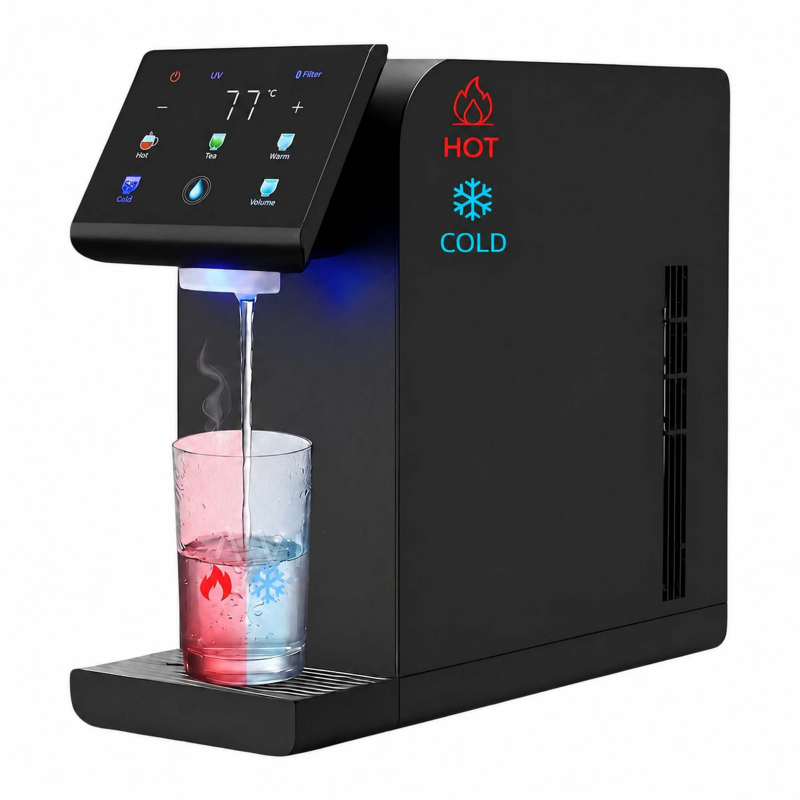
In summary, countertop water purifiers are ideal for compact commercial spaces, offering cost savings and efficiency. By carefully evaluating specifications, comparing models, and understanding quality control practices, buyers can make informed decisions that enhance their operations.
Table of Contents
- How a Countertop Water Purifier Saves Costs in Compact Environments?
- Key Specifications to Evaluate for Commercial Water Purification Systems
- Compare Different Countertop Water Purifiers for Optimal Performance
- Quality Control Practices in Manufacturing Countertop Water Purifiers
- Common Problems with Water Purifiers and Their Solutions for Buyers