
 EN
EN
 AR
AR
 BG
BG
 HR
HR
 CS
CS
 DA
DA
 NL
NL
 FI
FI
 FR
FR
 DE
DE
 EL
EL
 HI
HI
 IT
IT
 JA
JA
 KO
KO
 NO
NO
 PL
PL
 PT
PT
 RO
RO
 RU
RU
 ES
ES
 SV
SV
 TL
TL
 IW
IW
 ID
ID
 UK
UK
 VI
VI
 HU
HU
 TH
TH
 TR
TR
 FA
FA
 AF
AF
 MS
MS
 GA
GA
 AZ
AZ
 KA
KA
 BS
BS
 KK
KK
 KY
KY
 BE
BE
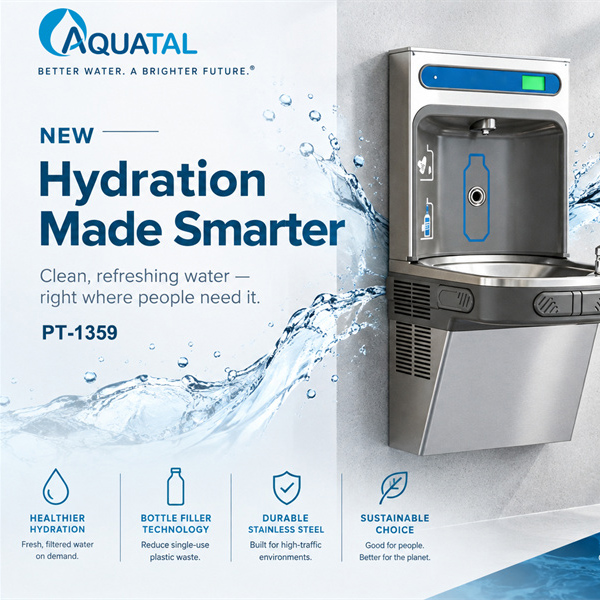
Replacing bottled water with a drink fountain in commercial buildings offers a sustainable and efficient solution for hydration needs. For purchasing managers and facility managers, concerns often revolve around product reliability, installation logistics, maintenance requirements, and overall cost-effectiveness. This article addresses these concerns by providing practical insights into sourcing, applications, installation, common issues with bottled water solutions, and guidance for setting up drink fountains in office environments.
Where to Source Reliable Drink Fountains for Commercial Use?
When sourcing drink fountains for commercial use, it’s essential to partner with a reputable manufacturer that specializes in water treatment and purification systems. Look for suppliers that offer a range of models tailored to various commercial applications, as well as customization options to meet specific needs. Aquatal, for instance, has been a pioneer in water treatment for over a decade, providing advanced filtration technology and expert support globally. Consider factors such as the manufacturer’s production capabilities, quality control processes, and certifications. These elements are crucial in ensuring that the drink fountains not only comply with relevant regulations but also maintain high standards of performance and durability. Additionally, inquire about minimum order quantities (MOQ) and lead times to align with your project schedules.
Drink Fountains for Different Applications
Drink fountains can be utilized in various commercial settings, including offices, schools, hospitals, and manufacturing facilities. Each application has unique requirements that may affect the choice of fountain. For example:
-
Office Environments: Fountains should be designed for high usage and equipped with features such as touch less operation to enhance hygiene.
-
Schools: These models often incorporate water bottle filling stations to encourage students to use reusable containers, reducing single-use plastic waste.
-
Healthcare Facilities: Fountains in hospitals need to meet stringent sanitation standards and may require additional filtration to ensure water quality.
-
Industrial Settings: Drink fountains here must be robust and resistant to contaminants typically found in manufacturing processes.
Understanding the specific needs of each application will aid in selecting the most suitable drink fountain, ensuring optimal performance and user satisfaction.
Drink Fountain Installation vs. Bottled Water Delivery
When comparing drink fountain installation to bottled water delivery systems, several factors come into play.
Installation: Drink fountains typically require a one-time installation process that connects to the building’s water supply. This can significantly reduce ongoing costs associated with bottled water delivery, which often includes recurring delivery fees and storage space for bottles.
Maintenance: Drink fountains need regular maintenance to ensure proper filtration and hygiene, while bottled water systems may face issues with bottle handling and storage.
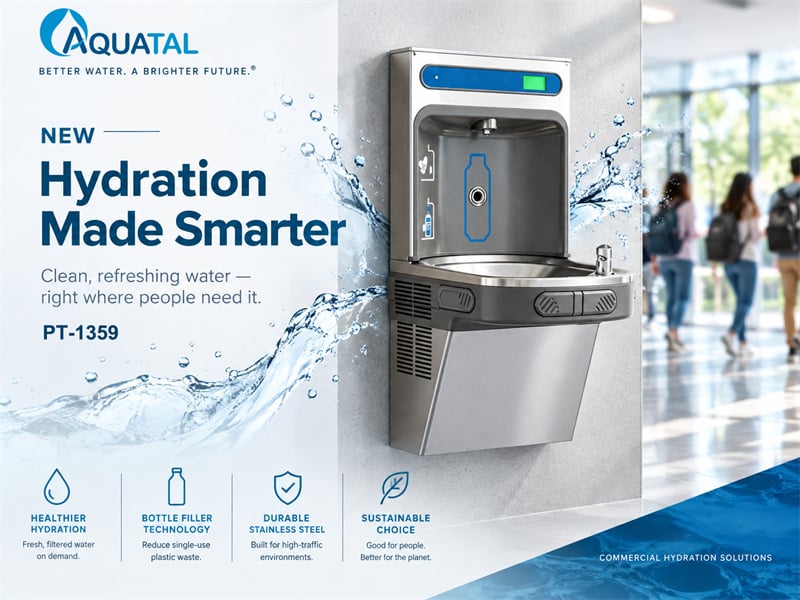
Environmental Impact: Transitioning to office water dispenser fountains greatly reduces plastic waste generated by bottled water. This aligns with growing sustainability initiatives within many companies.
Purchasing managers should carefully consider the long-term cost benefits and environmental implications of each option when making a decision.
Common Problems with Bottled Water Solutions and Their Alternatives
Bottled water solutions come with several common problems that can affect both employees and the overall operation of a business:
-
Logistics and Storage: Managing the delivery, storage, and disposal of heavy bottles can be cumbersome and inefficient.
-
Quality Control: Bottled water quality can vary significantly between manufacturers, and improper storage conditions can lead to contamination.
-
Cost Inefficiency: Over time, bottled water can become more expensive than installing office water cooler fountains, especially with ongoing delivery charges.
Conversely, drink fountains offer a more consistent quality of water, with advanced filtration systems that ensure safety and taste. Additionally, they eliminate the logistical challenges associated with bottled water.
Installation Guidance for Efficient Drink Fountain Setup in Offices
Setting up drink fountains in office settings requires careful planning to ensure efficiency and user satisfaction. Here are some critical considerations:
-
Location Selection: Identify high-traffic areas where employees are likely to use the fountains, such as near break rooms, conference areas, or common spaces. Ensure that water supply lines can be easily accessed for installation.
-
Electrical Requirements: Some models may require electrical connections for features like cooling and filtration. Ensure that the installation complies with local electrical codes.
-
Water Quality Assessment: Prior to installation, conduct a water quality assessment to determine the appropriate filtration systems needed. This can help in selecting the right model and ensuring optimal water quality.
-
User Training: Once installed, provide training to employees on how to use the fountains effectively, emphasizing the importance of hygiene and regular maintenance checks.
-
Maintenance Schedule: Establish a regular maintenance routine to monitor water quality, replace filters, and ensure the fountain remains in good working order.
By following these guidelines, businesses can ensure a seamless transition from bottled water to drink fountains, enhancing employee satisfaction and promoting a sustainable workplace. In summary, replacing bottled water with water purifier for office fountains in commercial buildings presents a forward-thinking solution that addresses numerous logistical and environmental challenges. By understanding how to source, install, and maintain these systems, purchasing managers can make informed decisions that benefit their organizations and promote sustainability.