
 EN
EN
 AR
AR
 BG
BG
 HR
HR
 CS
CS
 DA
DA
 NL
NL
 FI
FI
 FR
FR
 DE
DE
 EL
EL
 HI
HI
 IT
IT
 JA
JA
 KO
KO
 NO
NO
 PL
PL
 PT
PT
 RO
RO
 RU
RU
 ES
ES
 SV
SV
 TL
TL
 IW
IW
 ID
ID
 UK
UK
 VI
VI
 HU
HU
 TH
TH
 TR
TR
 FA
FA
 AF
AF
 MS
MS
 GA
GA
 AZ
AZ
 KA
KA
 BS
BS
 KK
KK
 KY
KY
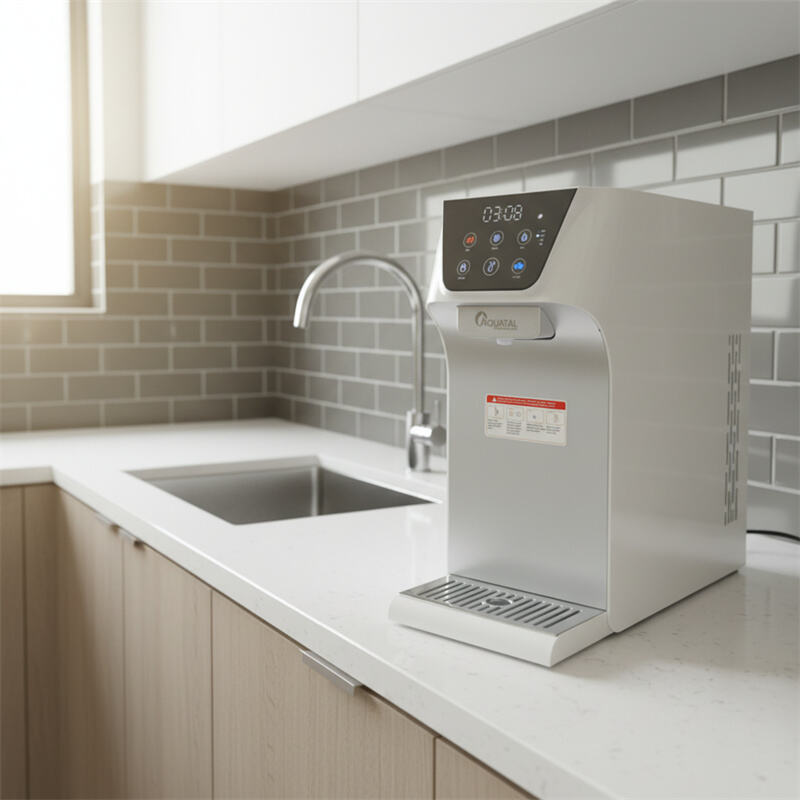
Urban buildings are becoming more compact, and the space available to infrastructure is becoming smaller, therefore water treatment equipment is no longer required to be performance-only. Current day commercial and industrial projects require systems which not only work efficiently but are also compact, quiet and easy to install at the same time. Here the low-pressure RO system comes in as one of the most important innovations in the contemporary water treatment.
Low-pressure reverse osmosis systems at Puretal are designed with low pressure to fit into low mechanical spaces, including basement, equipment rooms, rooftops, and service floors of high-rise buildings. Through space-efficient design, energy-efficiency, and easy-to-install features, the solutions provided by Puretal are RO solutions that blend in with the real-life building environment.
Slim-Profile Skids Are used through the standard 32-Inch Doorways
Physical access is one of the most frequent problems of installing RO systems. The conventional RO skids are usually massive and bigger and thus may not be moved easily or at all through normal doors and elevators or service corridors.
Puretal addresses this issue by designing slim-profile skids that can pass through regular 32 inch door frames and that can easily be transported into tight mechanical rooms without ever being taken apart. This small surface area helps Puretal low-pressure RO systems to suit perfectly well in the retrofitting of old constructions where building restructuring is too expensive and cumbersome.
Hotels and hospitals, office towers and shopping centers now see space efficiency as an important consideration in the selection of a system. Puretal reduces the total physical footprint of a high-performance reverse osmosis system by reducing its size without compromising on the output capacity to ensure engineers and contractors can install reverse osmosis plants in places previously inaccessible by the RO technology.
Vibration-Dampened Mounts Achieve Noise Code of High-rise Buildings
Water quality is as critical in modern building as noise and vibration control are. RO systems use pumps and motors, which produce mechanical vibrations, which carry through building structures, producing undesirable noise - particularly in residential and commercial high-rise buildings.
As a measure to meet the stringent building noise requirements, Puretal incorporates vibration-dampened mounting systems into its low-pressure RO platforms. These mounts absorb pumps and pressure vessel mechanical movement and acoustic transmission is greatly reduced.
The design feature is particularly useful in design where in many cases, equipment rooms are positioned close to occupied areas in the case of apartment buildings, office buildings, hotels, and medical buildings. Limited vibration and operation noise lowers allow Puretal RO systems to operate quietly, without violations as well as preserve water production at a consistent level.
Ready-made Piping saves On-site labor by 70%
One of the greatest cost drivers of a commercial water treatment project is installation complexity. Pipes, valves, fittings can require a lot of labor hours to be assembled in the field and more importantly, they can leak or be configured incorrectly.
A solution to this problem is provided by Puretal through factory pre assembled piping systems, which enables the installer to make the connection with the RO unit in a few moments with minimum work on the field. This method according to the project benchmarks can cut up to 70 percent on the labor involved in installation, cutting down project schedules by a very large margin.
Ready-made piping also enhances reliability. All systems are pressure-tested prior to shipment meaning that there is uniformity in quality and commissioning problems are minimized. To systems integrators and contractors, this translates to a reduced number of call backs, increased handovers and predictable project costs.
Conclusion
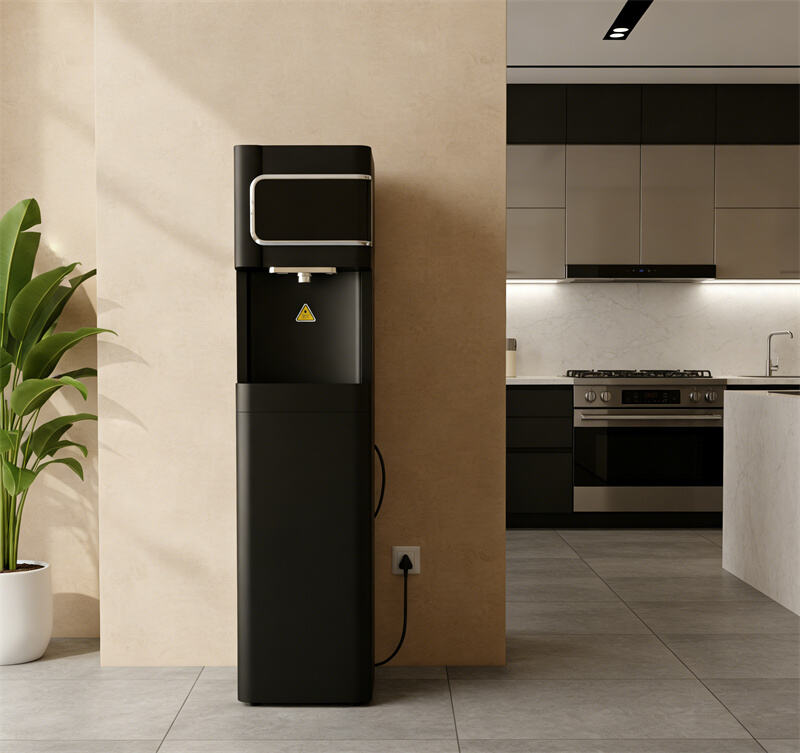
The low-pressure RO system is no longer an instrument of water purification, but one of the strategic elements of modern buildings. System size, noise levels, and installation efficiency are directly affected by space constrained environments (space) that have an effect on project feasibility and operating costs in the long term.
The low-pressure RO systems offered by Puretal have combined slender-profile skids, vibration-absorbing mounts, and ready pipes into a one-serviceable platform. What has been created is a small, noisy, and easy-to-fit reverse osmosis product that fits the reality of the modern mechanical environment.
Puretal can allow building owners, engineers, and facility managers to provide the high quality of treating water in real-life conditions without compromising on space, comfort, or efficiency. The smart design in the constrained spaces is actually the performance.