
 EN
EN
 AR
AR
 BG
BG
 HR
HR
 CS
CS
 DA
DA
 NL
NL
 FI
FI
 FR
FR
 DE
DE
 EL
EL
 HI
HI
 IT
IT
 JA
JA
 KO
KO
 NO
NO
 PL
PL
 PT
PT
 RO
RO
 RU
RU
 ES
ES
 SV
SV
 TL
TL
 IW
IW
 ID
ID
 UK
UK
 VI
VI
 HU
HU
 TH
TH
 TR
TR
 FA
FA
 AF
AF
 MS
MS
 GA
GA
 AZ
AZ
 KA
KA
 BS
BS
 KK
KK
 KY
KY
 BE
BE
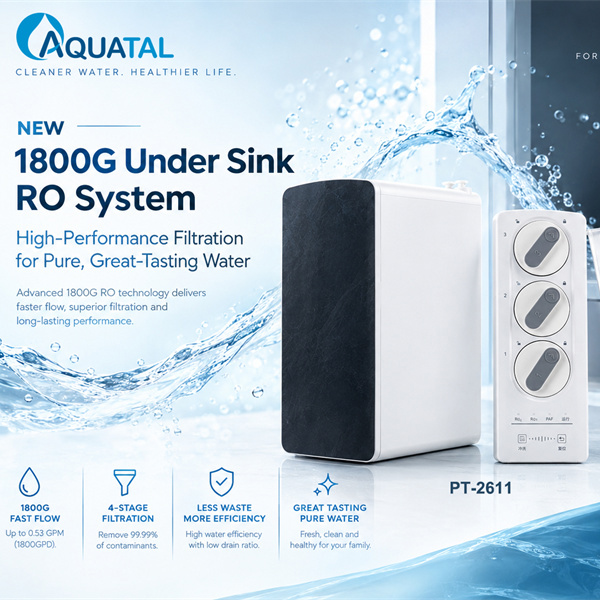
Bundling a water purifier for home into new residential developments is an increasingly important consideration for developers and builders. As the demand for clean, safe drinking water continues to rise, integrating advanced water purification systems into residential projects not only enhances property value but also addresses buyer concerns regarding water quality. This article will provide insights into selecting the right water purifier, evaluating quality for bulk purchases, understanding technical specifications, addressing installation challenges, and considering cost factors when bundling water purifiers into residential developments.
Choosing the Right Water Purifier for Residential Developments
When selecting a water purifier for residential developments, several factors must be taken into account. The primary considerations include the specific water quality issues in the area, the capacity of the purifier, and the technology employed, such as reverse osmosis, UV filtration, or activated carbon systems. Each technology has its advantages: for instance, reverse osmosis systems are effective at removing dissolved solids, while UV systems are excellent for eliminating bacteria and viruses.
Moreover, understanding the expected water consumption levels in the residential units is essential. A larger development may require centralized systems capable of serving multiple units, while smaller projects might benefit from individual units. Customization options, such as filter types and maintenance frequency, should also be discussed with suppliers to align with the specific needs of the development.
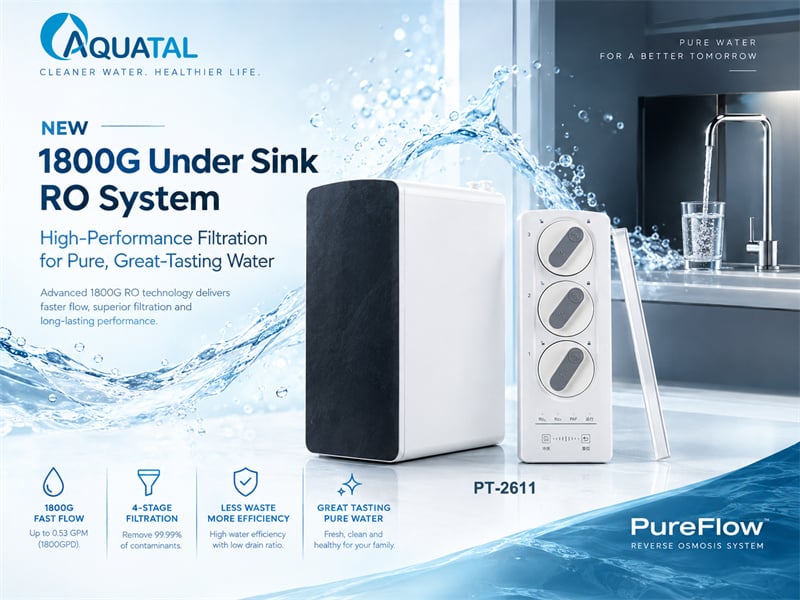
How to Evaluate Water Purifier Quality for Bulk Purchases
Evaluating the quality of water purifiers for bulk purchases involves several critical steps. First, buyers should request certifications and test results that demonstrate compliance with international standards, such as NSF/ANSI or ISO certifications. These certifications assure that the products meet specific safety and performance criteria.
Second, buyers should verify the manufacturer's quality control processes. Understanding how the manufacturer conducts testing during production and before shipment can help gauge product reliability. It's advisable to request samples for on-site testing, as this will provide insight into performance under actual conditions.
Lastly, it’s essential to review customer feedback and case studies. Engaging with past clients or examining testimonials can provide valuable insights into the operational reliability and customer satisfaction associated with the water purifiers being considered.
Understanding Technical Specifications of Water Purification Systems
Technical specifications play a crucial role in the performance of home water purifier systems. Key specifications to consider include flow rate, filtration capacity, and contaminant removal efficiency. The flow rate indicates how quickly the system can provide clean water, which is particularly important for larger residential developments.
Filtration capacity refers to the volume of water that a purifier can effectively treat before the filters need replacement. This can vary significantly between different systems, impacting both maintenance schedules and operating costs. Contaminant removal efficiency is typically expressed as a percentage, indicating how effectively the system can eliminate specific impurities, such as chlorine, lead, or sediments. Buyers should ensure that these specifications align with local water quality reports to address the most relevant contaminants.
Additionally, consider the energy consumption and maintenance requirements of the systems. Understanding the operational costs associated with running the equipment can influence the long-term viability of the investment.
Common Installation Challenges with Water Purifiers in Homes
Installing water purifiers in residential settings can present various challenges. One common issue is the compatibility of the purification system with existing plumbing. Developers must ensure that the water supply lines can accommodate the installation, especially for larger centralized systems that may require additional infrastructure.
Space constraints can also pose a significant challenge. Many purification systems require sufficient space for installation, maintenance, and filter replacement. It's essential to plan for adequate access to these systems during the design phase of the development.
Furthermore, local building codes and regulations may dictate specific installation practices and requirements. Engaging with local authorities early in the project can help mitigate potential compliance issues and ensure that the installation meets all legal standards.
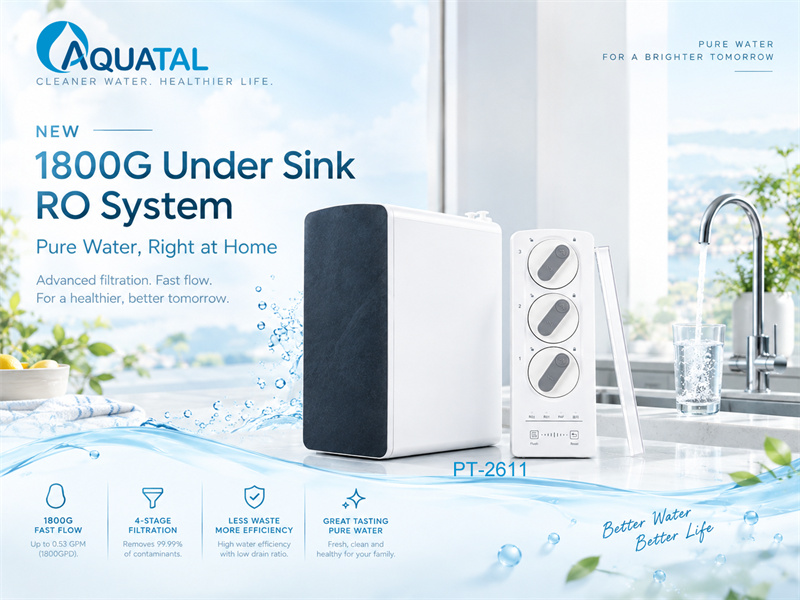
Cost Considerations for Wholesale Water Purifier Orders
When bundling UV water purifier system for new residential developments, understanding the cost structure is vital. Pricing can vary based on factors such as the type of system, materials used, and customization options. Buyers should be aware of the minimum order quantities (MOQ) that manufacturers require, as this can affect overall project costs.
Shipping and logistics also play a critical role in the final price. Buyers should factor in transportation costs, especially for international orders, which may include tariffs and taxes. Additionally, ongoing maintenance and replacement filter costs should be considered when calculating total ownership costs.
Negotiating contracts that allow for bulk pricing can yield significant savings. It's advisable to engage with suppliers who offer flexible payment terms and warranty options, as these can further enhance the financial viability of the investment.
Bundling a water purifier for homes within new residential developments not only addresses critical buyer concerns regarding water quality but also adds value to the properties. By carefully selecting the right systems, evaluating quality, understanding technical specifications, addressing installation challenges, and considering costs, developers can make informed decisions that enhance the attractiveness of their offerings in the marketplace.
Table of Contents
- Choosing the Right Water Purifier for Residential Developments
- How to Evaluate Water Purifier Quality for Bulk Purchases
- Understanding Technical Specifications of Water Purification Systems
- Common Installation Challenges with Water Purifiers in Homes
- Cost Considerations for Wholesale Water Purifier Orders