
 EN
EN
 AR
AR
 BG
BG
 HR
HR
 CS
CS
 DA
DA
 NL
NL
 FI
FI
 FR
FR
 DE
DE
 EL
EL
 HI
HI
 IT
IT
 JA
JA
 KO
KO
 NO
NO
 PL
PL
 PT
PT
 RO
RO
 RU
RU
 ES
ES
 SV
SV
 TL
TL
 IW
IW
 ID
ID
 UK
UK
 VI
VI
 HU
HU
 TH
TH
 TR
TR
 FA
FA
 AF
AF
 MS
MS
 GA
GA
 AZ
AZ
 KA
KA
 BS
BS
 KK
KK
 KY
KY
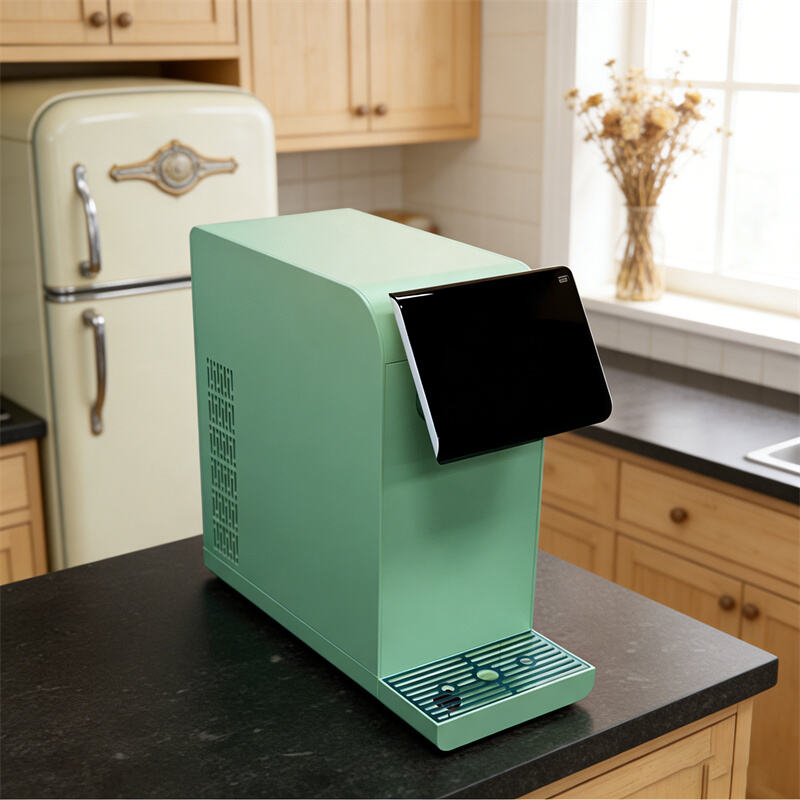
Ultraviolet disinfection is now a reliable technique of commercial water purification particularly where chemical dosing treatment is discouraged. An ultraviolet water purifier system is based on the principle of interfering with the DNA of microorganisms so that they remain in the inactive state without changing the texture and leaving a trace. Nevertheless, UV technology is not an isolated technology. The functionality and the sustainability of any system of ultraviolet water purifiers rely on the pre-treatment of water to the UV chamber.
Commercial water safety at Aquatal is treated as an entire system and not as a constituent part. Smart pre-filtration can be considered the basis of safeguarding the UV operation, minimizing maintenance requirements, and ensuring stability in the water quality of different applications.
Sediment and Chlorine Are Not Just Impurities: They Kill UV Systems.
Sediment, rust and organic debris prevail in a municipal and well water supplies. Although these pollutants might be non-toxic at low concentrations, they become a severe problem as far as UV treatment is concerned. Particles suspended have the capacity to protect microorganisms against the UV light by forming micro-shadows, lowering the disinfection effectiveness even in case UV lamps are properly operating.
Chlorine brings another but equally serious danger. Whereas in most cases, incoming water contains chlorine as a disinfectant, the remaining chlorine may deteriorate internal parts with time and lower the transmission of UV when the water is itself not clear. To a commercial ultraviolet water purifier system, untreated chlorine and particulates increase the rate of foulness of quartz sleeves and reduce the life of lamps.
The solution to this problem offered by aquatal systems is to incorporate sediment and carbon pre-filtration steps that stabilize the water quality prior to exposure to UV ensuring that the UV light does not actually target any other system it should not.
UV Reactor Extraction Via Intelligent Filter Staging.
Uptime is important in business worlds. The restaurants, offices, schools and health facilities depend on uninterrupted supply of safe drinking water. Sensible filter staging - with a series of filtrations in a logic order - is useful in both extending the uptime of the UV reactor and in maintaining constant flow rates.
The common arrangement will consist of a coarse sediment filter to eliminate any particles that can be seen, then activated carbon filtration to eliminate chlorine and organic substances. This would reduce the amount of contaminants entering the UV chamber, and UV lamps will be able to work under ideal parameters longer.
A properly designed ultraviolet water purifier system will have fewer shutdowns because it cleans less often or replenishment due to reduced quartz sleeve fouling and lamp stress. Aquatal has this layer protection in mind when developing its commercial water solutions, as it promotes the sustainability of its operational performance in the long term instead of only focusing on short-term performance.
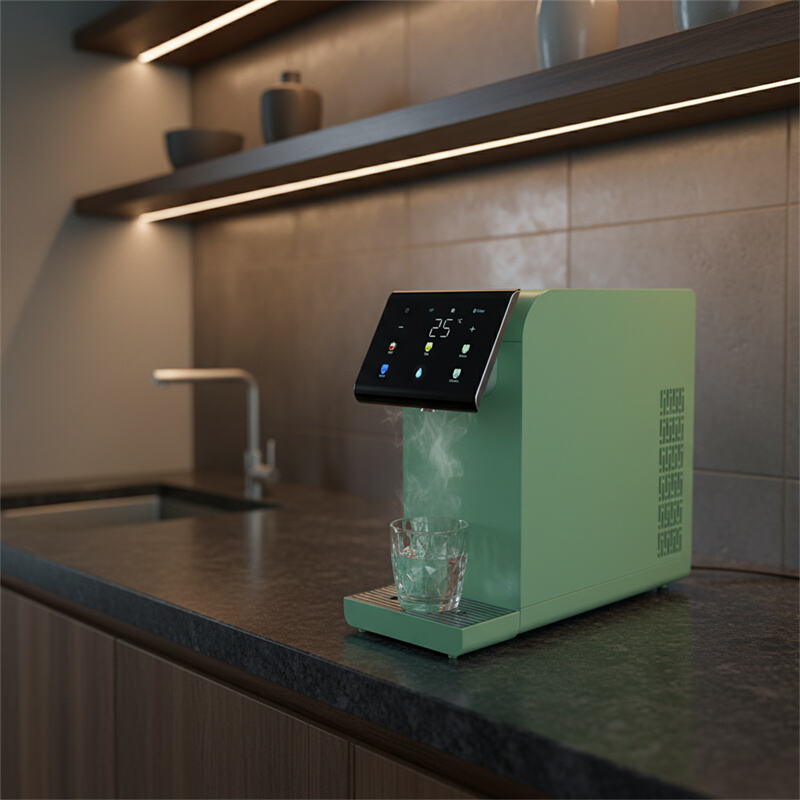
Cafeteria to Clinic: A 60% Service Call Reduction in Pre-Treatment.
One of the hidden costs of commercial water systems includes service calls. Real world installations tend to have poor pre-treatment with results that include clogging of components, uneven UV operation and unwanted downtime. Experience in the industry always demonstrates that systems with an adequate pre-filtration experience are sufficiently less exposed to interventions than the UV-only systems.
Proper pre-treatment can minimize service calls in the environment (i.e. cafeterias, clinics, office buildings) by as much as 60 percent, mostly avoiding premature wear of components and operational instability. This is not because of higher production of UV but it is as a result of purer and more stable inlet water.
To the Aquatal customers, intelligent pre-filtration makes the ultraviolet water purifier system not only a safety precaution but a stable and low-maintenance infrastructure source that can help Aquatic maintain water safety, operational reliability, and cost containment.